


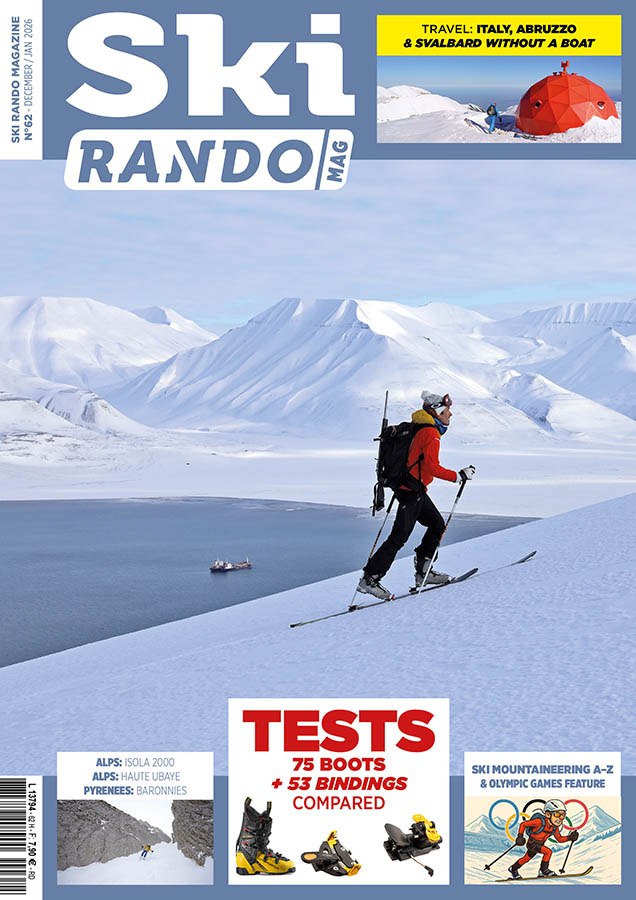
2027 test coming in November! Until then, download Issue No. 62 for the 2026 test.
How to choose ski touring boots
Choosing the right ski touring boots depends primarily on your skiing style, ability level and the type of tours you plan to do. A lightweight boot with a generous range of motion will generally be better suited to touring and big vertical days, while a heavier, stiffer construction is more commonly associated with all-round touring or freeride touring. Comfort and fit are equally important: forefoot width, overall foot volume and heel hold should match your foot shape.
Weight is one of the first specifications to compare, but it should not be considered in isolation when choosing a ski touring boot. Other important factors include cuff range of motion, the ski/walk mechanism, the number and type of closures, flex, fit volume and compatibility with your bindings. The requirements of a boot designed for long tours with significant elevation gain are very different from those of a freeride touring model built around a more alpine-inspired construction.
The choice of 2027 ski touring boots is particularly broad. The market now ranges from ultralight boots designed for fast touring to versatile models for classic ski touring and freeride touring boots weighing well over 3 kg per pair. Most major brands offer several different families to cover these different uses.
To help you choose, we have selected and compared the main ski touring boots for 2027. For models we have tested ourselves, our field tests assess factors including comfort, entry and exit, ease of use, uphill performance and downhill behaviour. For other models, our product pages present technical specifications and information supplied by the manufacturers, clearly distinguished from our own field tests.
In this 2027 ski touring boot comparison, you can compare weight, flex, range of motion, fit, price and available versions, along with our field tests where applicable. This makes it easier to compare models and identify the right boot for your needs, from lightweight touring to freeride touring.
👉 You can also find our full 2027 ski touring boot test in Ski Rando Magazine Issue No. 66 this November, featuring detailed tests and analysis of the season’s key models. Until then, download Ski Rando Magazine Issue No. 62 for our 2026 ski touring boot test.
SKI TOURING BOOTS BRANDS
ATOMIC – DYNAFIT – DALBELLO – FISCHER – HEAD – K2 – LA SPORTIVA – LANGE – NORDICA – ROSSIGNOL – ROXA – SALOMON – SCARPA – SCOTT – TECNICA
WHERE TO BUY SKI TOURING BOOTS?
AU VIEUX CAMPEUR – SNOWLEADER – TELEMARK PYRENEES – MONTAZ
BEST BACKCOUNTRY BOOTS
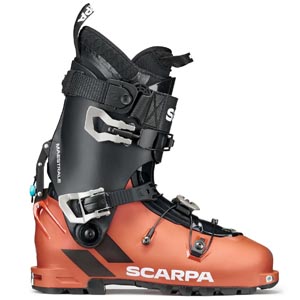

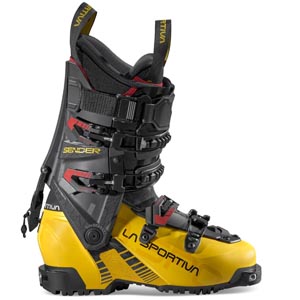
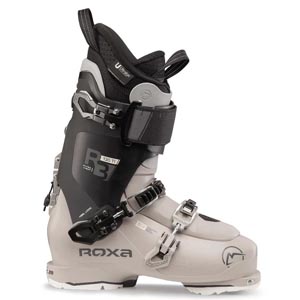

BACKCOUNTRY & SKI TOURING BOOTS TESTED
⏸: Older models that are no longer available
🔓: Free tests available online
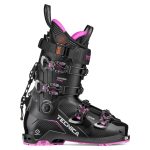
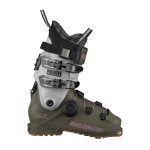
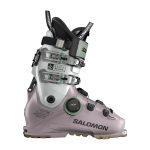
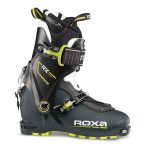
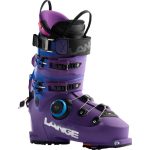

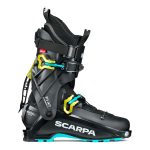
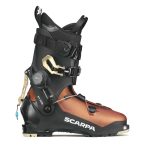
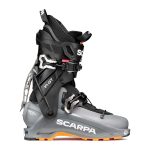
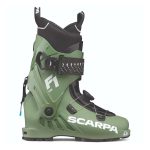
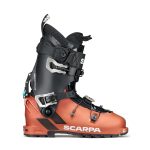
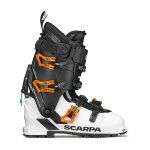
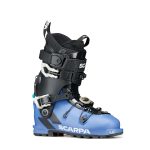
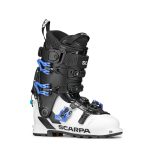
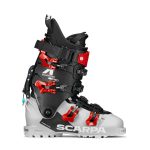
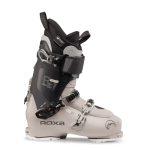


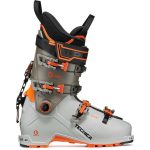

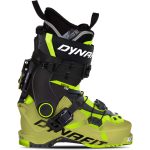

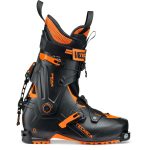
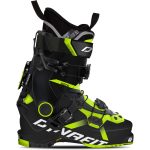
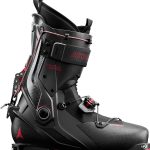
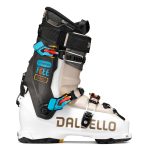

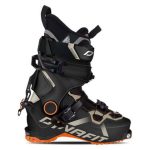



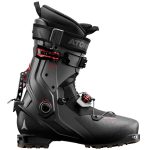


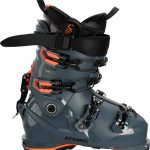
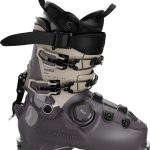
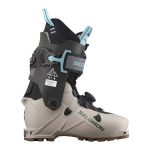
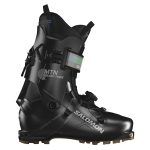


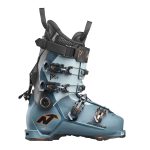
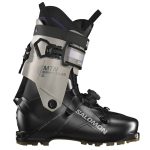
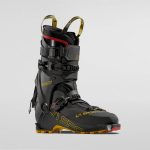


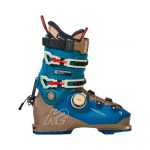
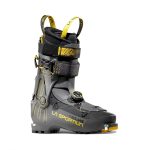
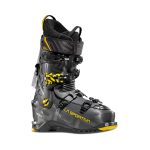
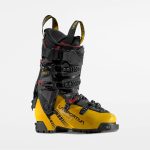


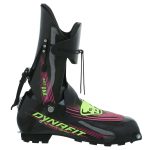



PHOTOS
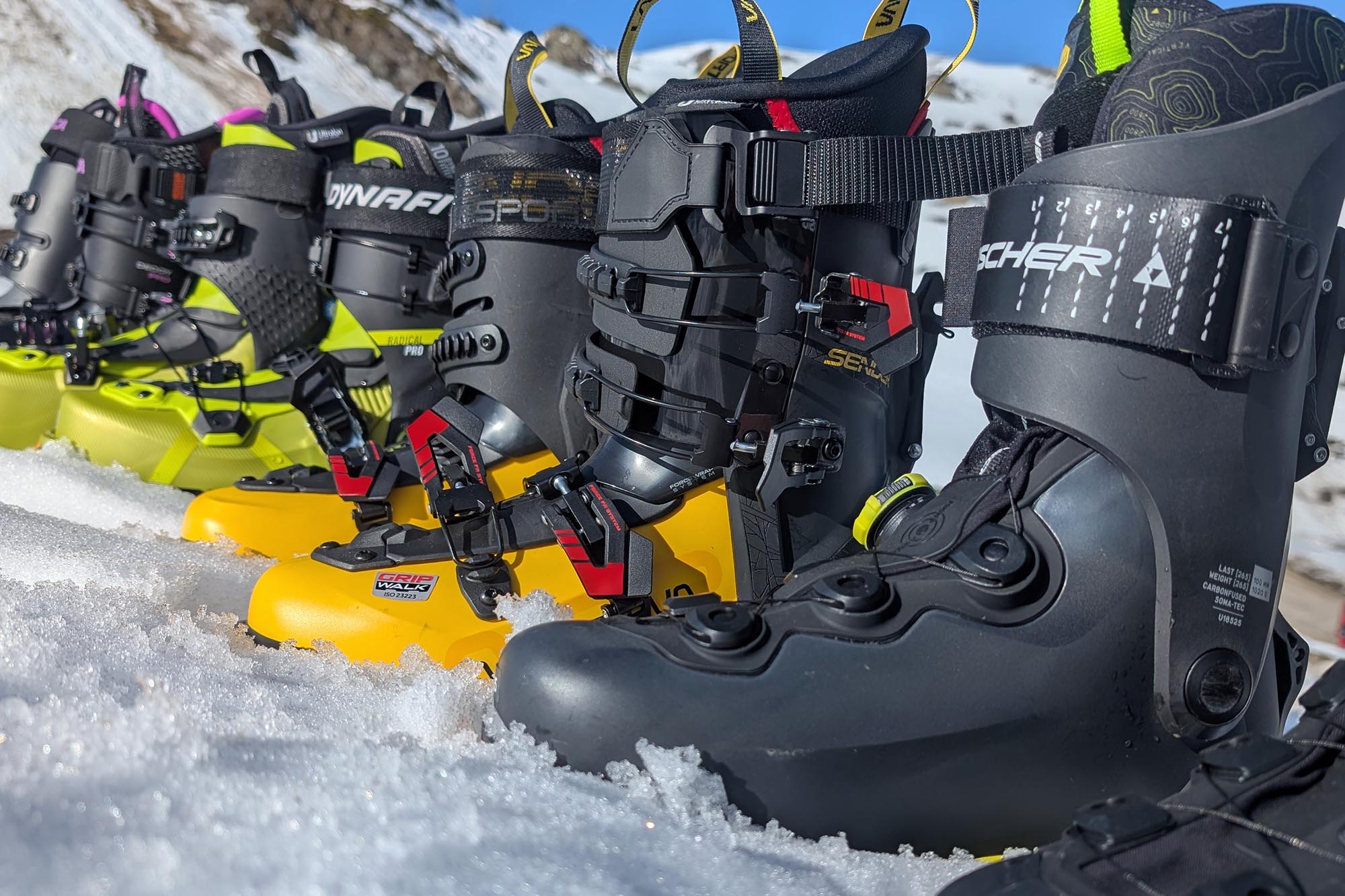
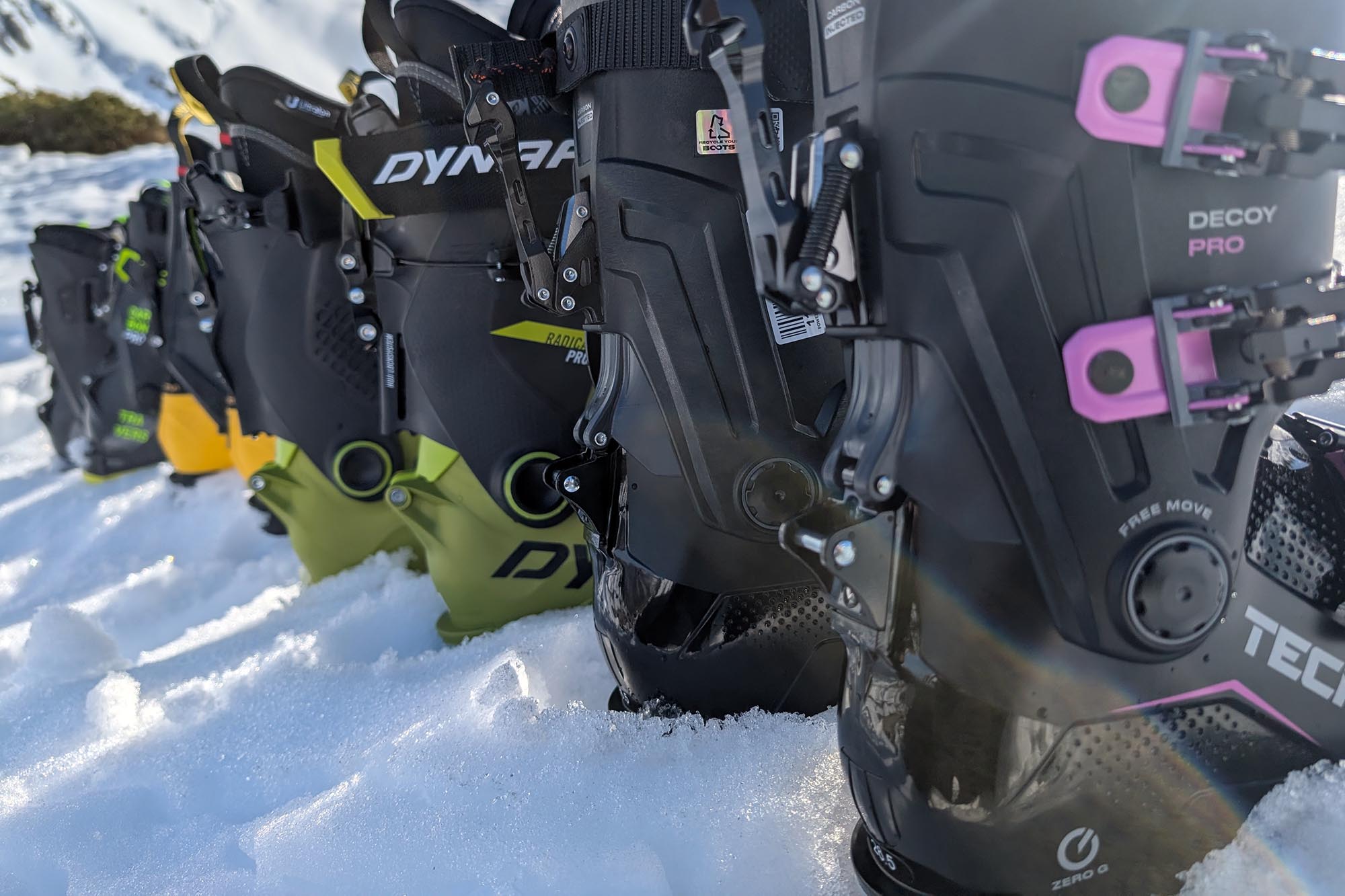


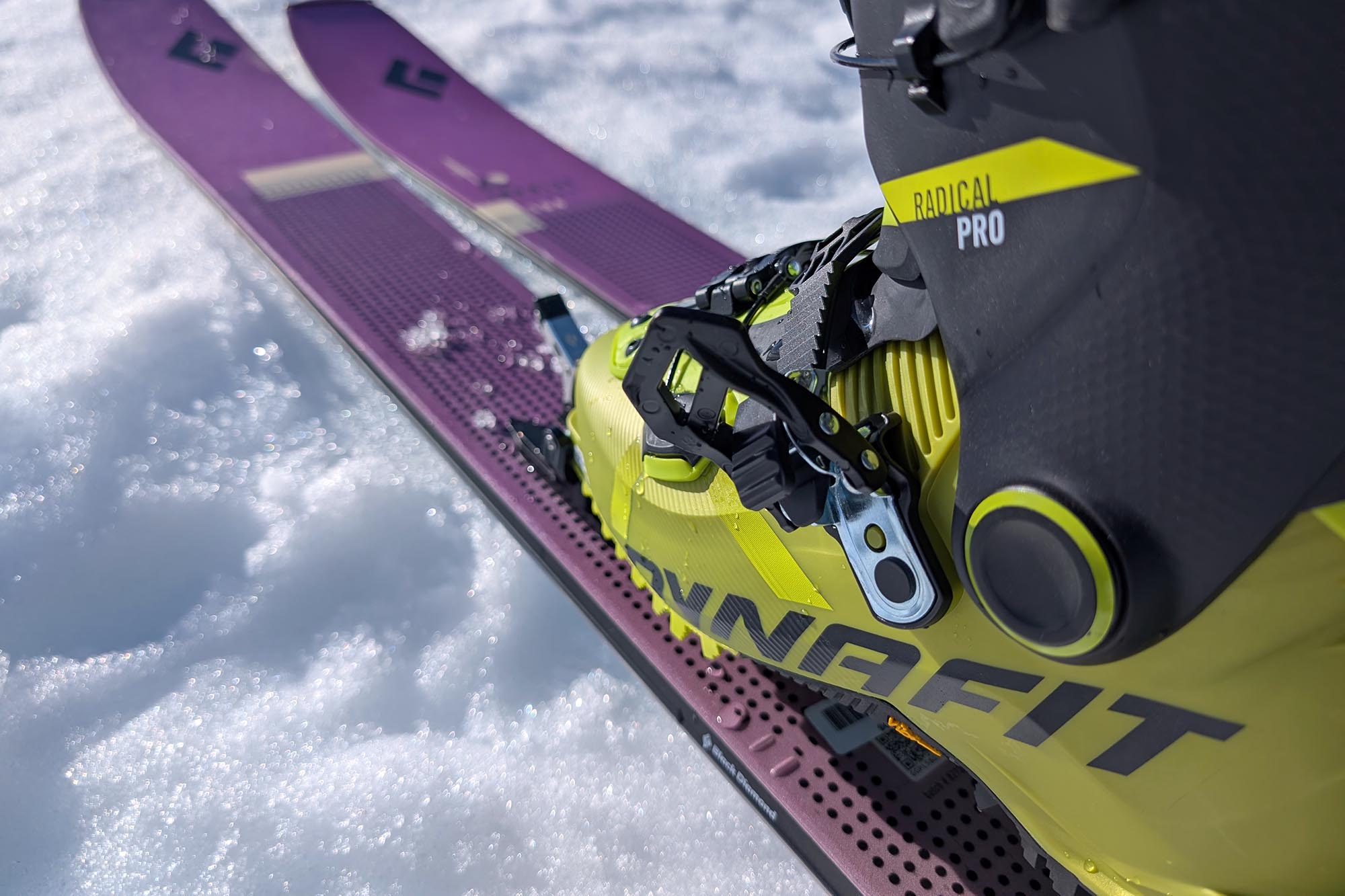
The 2027 Ski Touring Boot Test
Discover our complete 2027 ski touring boot comparison in Ski Rando Magazine Issue No. 66, featuring the season’s key models tested and compared in the field. To make choosing easier, we have divided the boots into three main categories:
Lightweight ski touring boots
Models designed primarily to keep weight to a minimum on the ascent and tackle big vertical days, with the lightest boots weighing around 1 to 1.2 kg per boot.
All-round ski touring boots
The core of the ski touring market, with models designed to balance weight, uphill mobility and downhill performance.
Freeride touring boots
Boots with a more alpine-inspired construction, generally heavier and stiffer, aimed at skiers who place greater emphasis on downhill performance.
In the magazine, you’ll find our field tests, uphill and downhill assessments, verified weights, technical specifications and our selection of 2027 models.

FAQ – Ski Touring Boots
How do you choose ski touring boots?
The right choice mainly depends on your skiing style, foot shape and the amount of vertical gain you usually cover. For long tours, weight and range of motion become more important. For all-round touring or freeride touring, a stiffer construction closer to an alpine ski boot may be preferable. In all cases, fit volume and comfort should suit your foot.
What is a good weight for ski touring boots?
There is no ideal weight for every type of ski touring. The lightest models weigh around 1 kg per boot, or even less for race-oriented boots, while all-round touring boots are generally heavier. Freeride touring boots can exceed 1.7 to 2 kg per boot. Weight should therefore always be considered in relation to the intended use.
What flex should you choose for ski touring boots?
Flex indicates the stated stiffness of a ski boot, but this value is not fully standardised between brands. A higher flex generally indicates a stiffer boot, often aimed at more powerful skiers or downhill-oriented use. Flex numbers should therefore not be compared in isolation: the boot’s construction and intended use also need to be considered.
What range of motion should you choose for ski touring boots?
A greater range of motion allows more freedom of movement in walk mode. Lightweight touring boots generally offer the greatest cuff mobility, while freeride touring models may prioritise a construction closer to an alpine ski boot. However, the stated range of motion alone does not determine how well a boot walks.
How do you choose the right ski touring boot size?
Ski boot sizes are generally expressed in Mondopoint, which corresponds to foot length in centimetres. Length is only one part of choosing the right fit: forefoot width, instep height, overall foot volume and heel hold are also essential. Trying boots on before buying is strongly recommended.
What is the difference between ski touring boots and freeride touring boots?
A traditional ski touring boot generally prioritises low weight, range of motion and features designed for climbing. A freeride touring boot often uses a heavier, more alpine-inspired construction while retaining a walk mode and compatibility with suitable touring bindings.
Are all ski touring boots compatible with tech bindings?
No. You need to check for Low Tech inserts and the compatibility specified by the manufacturer. Some hybrid boots may also be compatible with alpine or GripWalk bindings, but standards and compatibility vary between boots and bindings.
What are the best ski touring boots for 2027?
There is no single best boot for every skier. The right choice depends on the desired weight, ability level, terrain, vertical gain and whether you prioritise uphill or downhill performance. Our 2027 ski touring boot comparison lets you compare the specifications of the main models, supplemented by our field tests where available.