


Over 90 ski touring bindings tested and compared on snow
Welcome to our 2027 ski touring binding reviews and comparison. Here you’ll find our complete guide to more than 90 ski touring bindings, including detailed reviews, technical specifications, pricing, manufacturer information and our on-snow analysis. Whether you’re into classic ski touring, ski mountaineering, freerando or backcountry freeride, you’ll find a binding suited to your skiing style and experience.
Originally invented by Fritz Barthel in the early 1980s, the pin binding revolutionised ski touring. Since the Dynafit patent expired in 2008, the market has expanded dramatically, with manufacturers such as ATK, Plum, Marker, Fritschi, Ski Trab, Atomic, Salomon, Tyrolia and many others introducing increasingly sophisticated designs. Recent years have seen rapid innovation, including improved release systems, ski flex compensation, automatic ski brakes and hybrid bindings capable of delivering both efficient climbing and alpine-like downhill performance.
With so many models now available, choosing the right ski touring binding can be challenging. Weight, release values (DIN), ski brakes, adjustment range, safety features and manufacturer-specific technologies all influence performance and make direct comparisons difficult.
For more than 15 years, Ski Rando Magazine has been independently testing ski touring bindings in real backcountry conditions. Our goal is to help you choose the right equipment through comprehensive on-snow reviews and detailed product pages covering the strengths, weaknesses and technical characteristics of every binding. At the bottom of this page, you’ll also find our complete buying guide explaining the different binding categories and helping you select the best model for your needs.
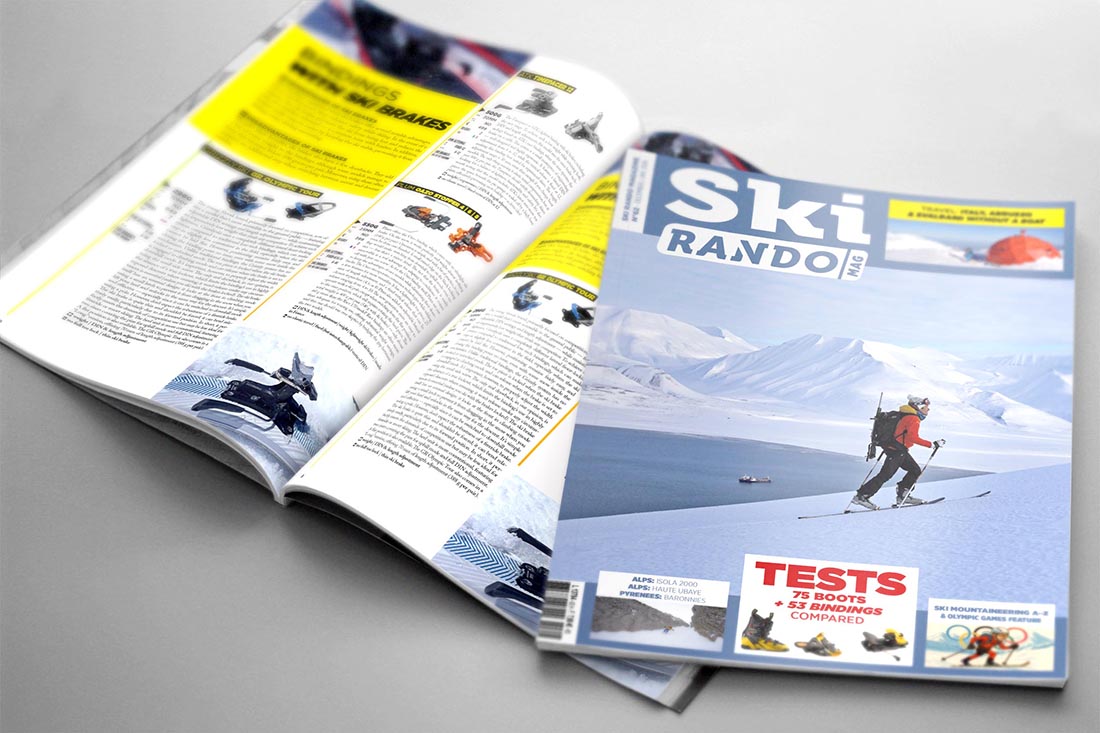
While waiting for our 2027 ski touring binding test, scheduled for publication in November, you can download Issue #62 to discover our testing methodology, detailed binding comparisons and expert advice on choosing the right ski touring equipment.
SKI TOURING BINDING BRANDS
ATOMIC – ATK – DYNAFIT – FRITSCHI – G3 – INWILD – MARKER – PLUM – SALOMON – SELUN – TRAB – TYROLIA – GRIZZLY.SKI
WHERE TO BUY BACKCOUNTRY BINDINGS?
AU VIEUX CAMPEUR – TELEMARK PYRENEES – MONTAZ – SNOWLEADER
BEST SKI TOURING BINDINGS


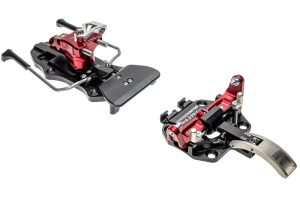
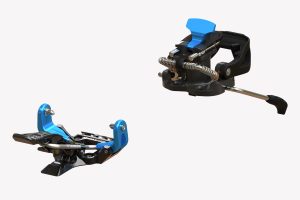
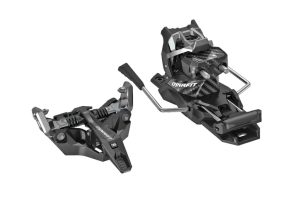
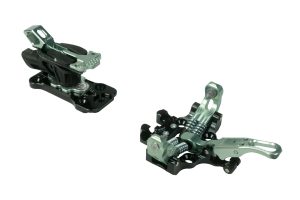
BACKCOUNTRY & SKI TOURING BINDINGS TESTED
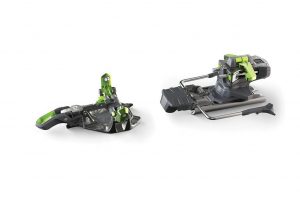


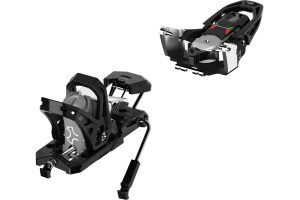

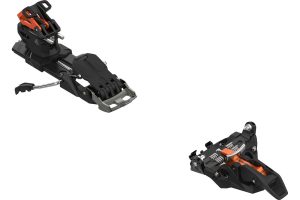


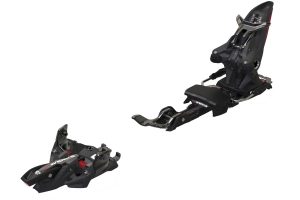
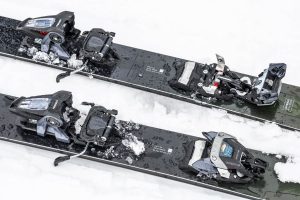


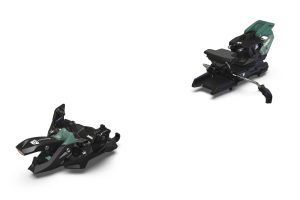


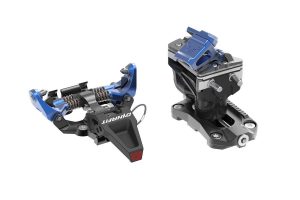


HOW TO CHOOSE YOUR SKI TOURING BINDINGS?

BINDINGS WITH SKI BRAKES
A ski brake is essential for skiing safely. It allows the binding’s release system to work without the risk of losing your ski or, worse, getting hit in the face by it due to leashes, or twisting your knee because of a locked heel piece.
They are a good option if you often ski at your limit and are prone to falling.
Bindings with ski brakes are slightly heavier, but the latest models have significantly reduced the weight gap compared to brakeless versions — so why go without?
BINDINGS WITHOUT SKI BRAKES
Minimalist ski touring bindings without brakes come with the awareness that there’s no fully safe solution. You can reduce risks by adapting your skiing style and binding use:
- Using leashes, though in a major fall you risk the skis hitting you.
- Skiing in locked mode to avoid losing skis, but you increase the risk of knee injuries.
- Skiing in unlocked mode without leashes, but then you risk losing your skis (or sending them downhill toward other skiers).
LENGTH ADJUSTMENT
The heel length adjustment range allows the binding to adapt to different boot sizes. This feature is important if you change boots or plan to resell your skis. Even for the same size, boot sole lengths can vary greatly depending on the brand and model — having at least 20 mm of adjustment is far from excessive. For “race” bindings without adjustment, it’s often possible to add an optional adjustment plate.
ELASTIC TRAVEL (HEEL GAP COMPENSATION)
This feature allows the heel piece to maintain a relatively constant distance from the back of the boot using a compression spring. As the ski flexes, this distance changes: if the boot presses against the binding, it can cause the binding to tear out; if the gap becomes too large, it can trigger an unwanted release.
RISERS
Heel risers help reduce the effect of slope steepness during climbs. Generally, a single riser level is enough, but if the skin track is very steep…
PHOTOS


SKI TOURING BINDING TEST VIDEO
FAQ – Ski Touring Bindings
Which ski touring binding should I choose?
The best ski touring binding depends on your skiing style. A lightweight binding is ideal for long tours and ski mountaineering, while a more robust model provides greater safety and downhill performance. Weight, DIN release range, ski brakes and ease of use are the key factors to consider when choosing the right binding.
What is the difference between a Low Tech binding and a hybrid binding?
A Low Tech (pin) binding uses metal inserts at the toe and heel of the boot. Lightweight and efficient, it has become the standard for ski touring. A hybrid binding, such as the Salomon Shift² or Marker Duke PT, combines a pin toe for climbing with alpine binding technology for downhill skiing. Although heavier, hybrid bindings offer alpine-like power transmission and increased security on the descent.
Should I choose ski touring bindings with or without ski brakes?
Ski brakes improve safety by preventing your skis from sliding away after a fall. They are now available on most modern ski touring bindings and are recommended for the majority of skiers. Competitive ski mountaineers and weight-conscious tourers may still prefer bindings without ski brakes to save a few grams.
What DIN setting should I choose?
The DIN release value determines the force required for your binding to release during a fall. It should be adjusted according to your weight, height, skiing ability and boot sole length. An incorrect DIN setting may result in unwanted pre-releases or insufficient release during a crash.
Which ski touring binding is best for beginners?
Beginners should choose a versatile ski touring binding with adjustable DIN settings, ski brakes and easy operation. These models offer an excellent balance of safety, reliability and lightweight performance while making transitions between climbing and skiing straightforward.
Are the lightest ski touring bindings always the best?
Not necessarily. Ultra-light bindings are extremely efficient on the ascent, but they often provide fewer adjustment options, less comfort and, in some cases, lower downhill performance than bindings designed for all-round touring or freeride touring. The best binding is the one that matches your skiing style.
How much does a ski touring binding weigh?
The weight of a ski touring binding typically ranges from less than 200 g per binding for race models to more than 800 g per pair for some hybrid freeride bindings. The ideal weight depends on the balance you want between uphill efficiency, safety and downhill performance.
How long does a ski touring binding last?
A well-maintained ski touring binding can last for many years. Regularly check mounting screws, boot inserts, springs, ski brakes and moving parts, and always follow the manufacturer’s maintenance recommendations to ensure reliable performance.
How does Ski Rando Magazine test ski touring bindings?
For more than 15 years, Ski Rando Magazine has been independently testing the leading ski touring bindings in a wide variety of snow conditions and mountain terrain. Our reviews evaluate uphill efficiency, downhill performance, step-in ease, climbing risers, transition speed, build quality, weight, reliability and overall on-snow performance to help you choose the best ski touring binding for your needs.