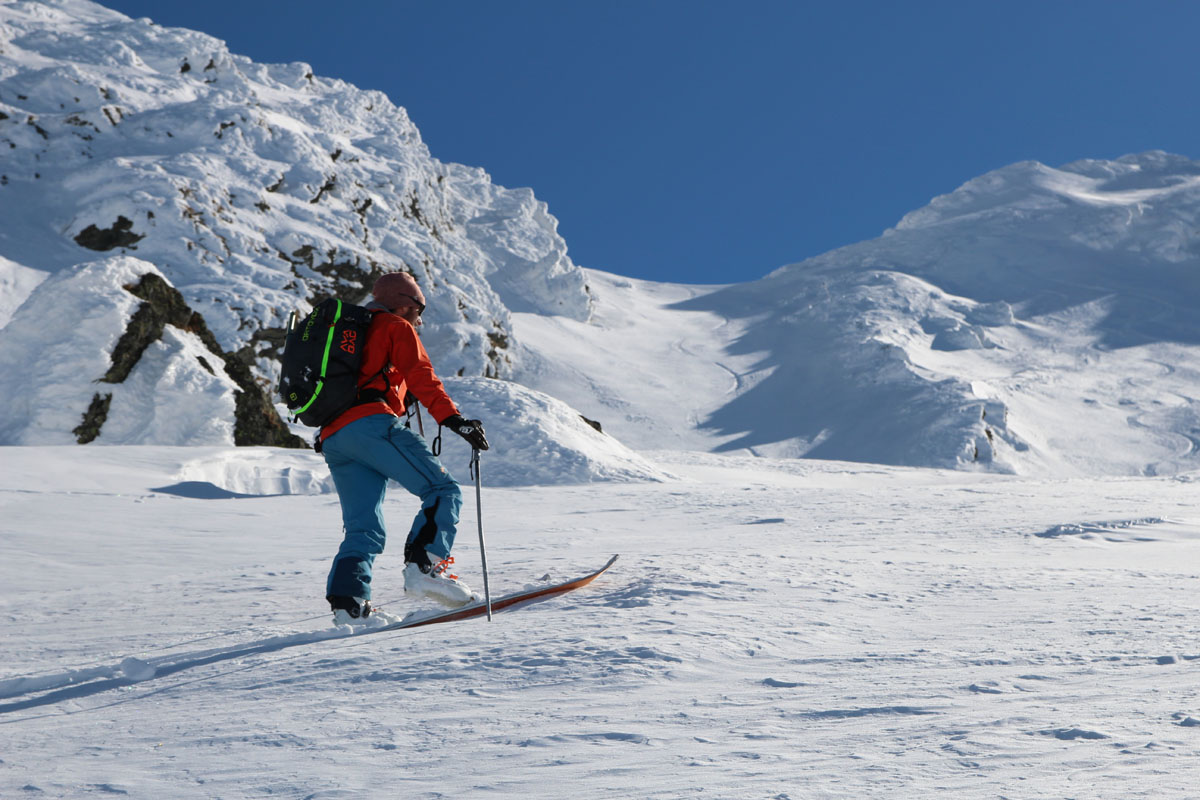
Each season, the range of avalanche airbag backpacks evolves — slowly but surely. The number of available models keeps growing, especially as more brands integrate existing inflation systems into their packs. However, not all of these are suitable for ski touring. Many are heavy — sometimes very heavy — and adding unnecessary weight defeats the purpose of finding the lightest possible ski setup.
That’s why we’ve handpicked the best avalanche airbag backpacks between 25 and 40 liters, offering a good balance between safety, weight, and functionality for ski touring. This capacity range covers most ski touring needs.
Smaller packs? They barely fit more than a shovel, probe, and an extra layer — fine for resort skiing, but not for backcountry tours.
Larger packs? Unless you’re heading out on a multi-day expedition with camping gear, 40 liters is more than enough, even for multi-day ski traverses.
This season brings several new releases, including lightweight electric avalanche airbags that now rival cartridge-based models in weight and performance.
We tested and compared them all — here are the results.
BEST AVALANCHE AIRBAG BACKPACKS
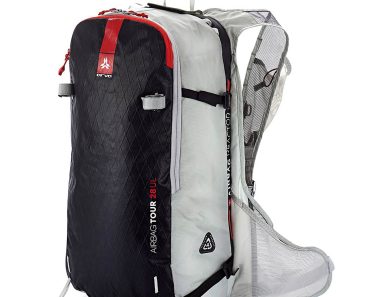
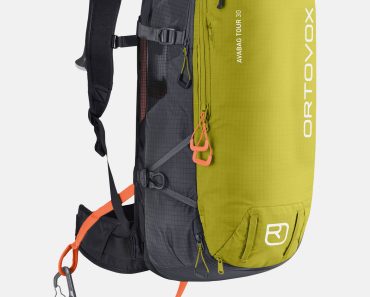
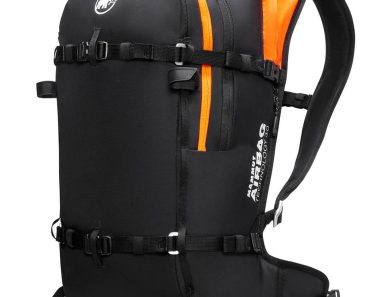

WHERE TO BUY AVALANCHE AIRBAG BACKPACKS?
SNOWLEADER – AU VIEUX CAMPEUR – TELEMARK PYRENEES – MONTAZ
AVALANCHE AIRBAG BACKPACKS TESTED AND COMPARED


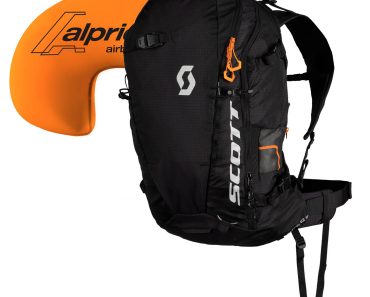
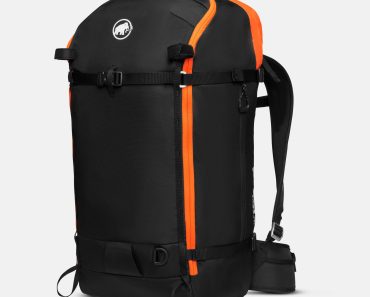
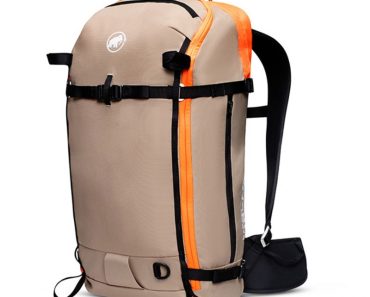
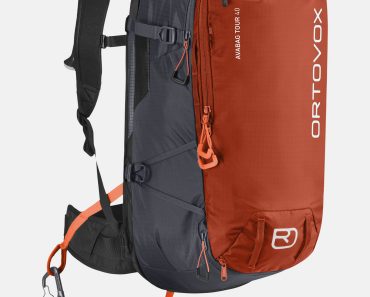
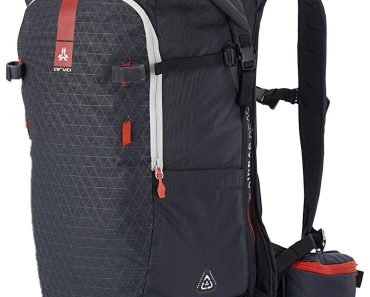
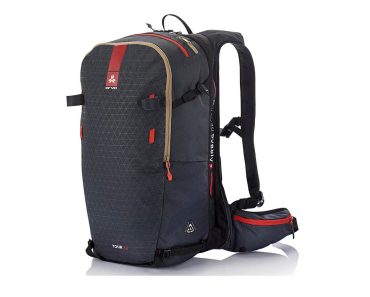
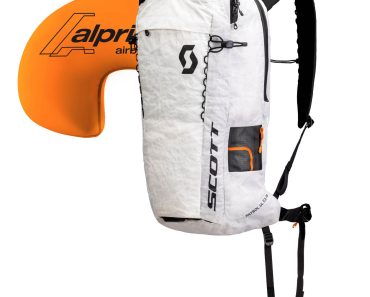
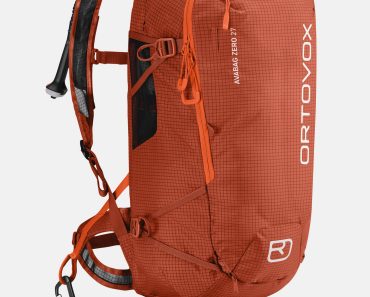



HOW TO CHOOSE
Il How to Choose Your Avalanche Airbag Backpack
Before anything else, it’s essential to define how you’ll use your avalanche airbag backpack. Ski touring comes in many forms, and your needs may vary.
Will you use your airbag pack only on big powder days with small elevation gains from ski resorts?
→ Then you don’t need the lightest pack — a smaller capacity will do the job.
Planning to use it in all conditions, throughout the season?
→ Weight and enough volume to carry your technical gear become crucial.
Gas Cartridge Airbags
Originally, only gas cartridge airbag backpacks were available on the market.
The first cartridge-based models appeared in the 1990s. Their system is mechanical — a cable triggers a gas cartridge, which inflates the airbag.
Advantages:
– Lighter than electric airbags with similar capacity
– More affordable
– Wide variety of models available
Disadvantages:
– Air travel can be complicated
– You can’t test the airbag inflation (unless you use up a cartridge)
Electric Airbags
Electric avalanche airbag backpacks arrived more recently, around 2014.
Initially, they were heavier and more expensive than gas systems, but the gap has narrowed over the years.
For the first time, some electric airbags are now among the lightest on the market.
Advantages:
– Easier to travel with on airplanes
– You can test the airbag inflation
– simple maintenance
– Zero cost per deployment — no hesitation to trigger it
Disadvantages:
– Heavier, though new lightweight models significantly reduce the gap
– Higher price
– You must charge the battery or check the batteries before each trip
Backpack Volume (Capacity)
The right pack size depends on how you plan to use it.
Generally, it’s better to choose a slightly larger pack than one that’s too small — running out of space can quickly become a problem.
Here’s a general guide:
15 to 25 liters:
Small volume for freeride or short tours from ski resorts.
Once you pack your shovel, probe, lunch, and jacket, there won’t be much space left.
25 to 35 liters:
Versatile size for full-day tours, even with technical gear (crampons, ice axe, etc.).
35 liters and more:
Large capacity for multi-day ski trips.
Also suitable for day tours if you carry a lot of gear (big lunch, camera, etc.).
Comfort
Comfort levels vary depending on the model. Pay attention to back support, strap design, ventilation, and fit adjustment — these details make a huge difference on long ascents.
PHOTOS