OUR TEST OF THE MARKER ALPINIST BINDING
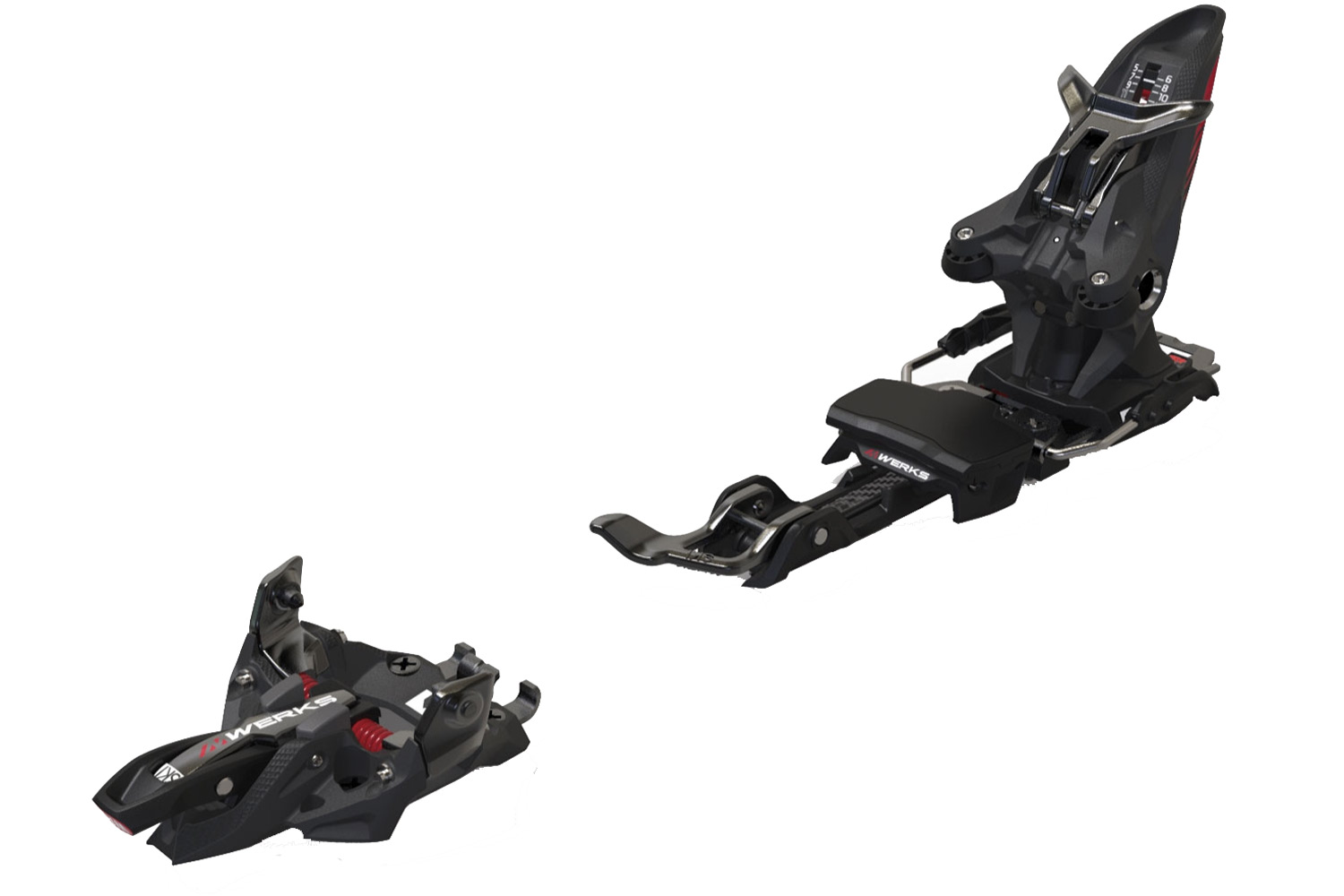
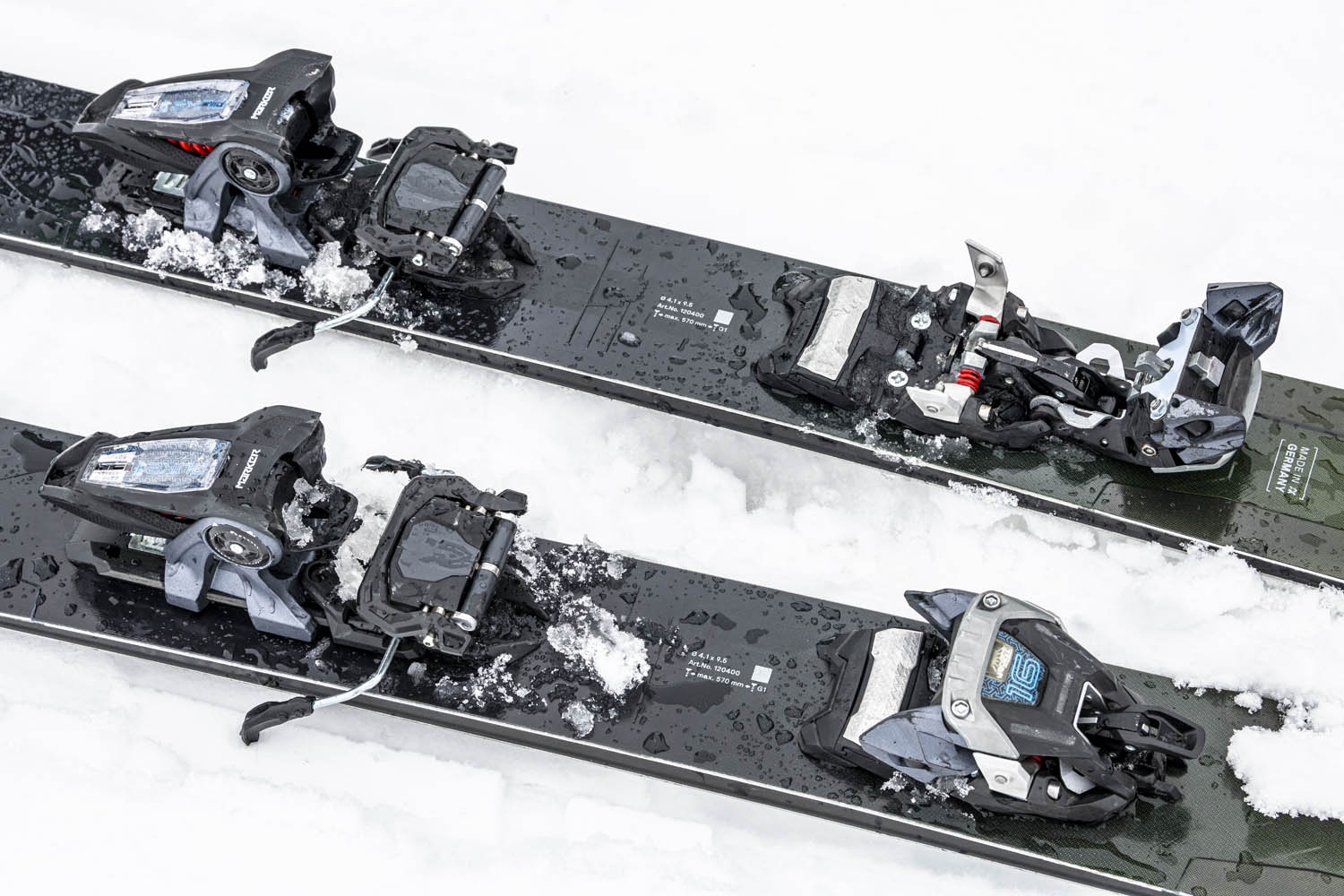
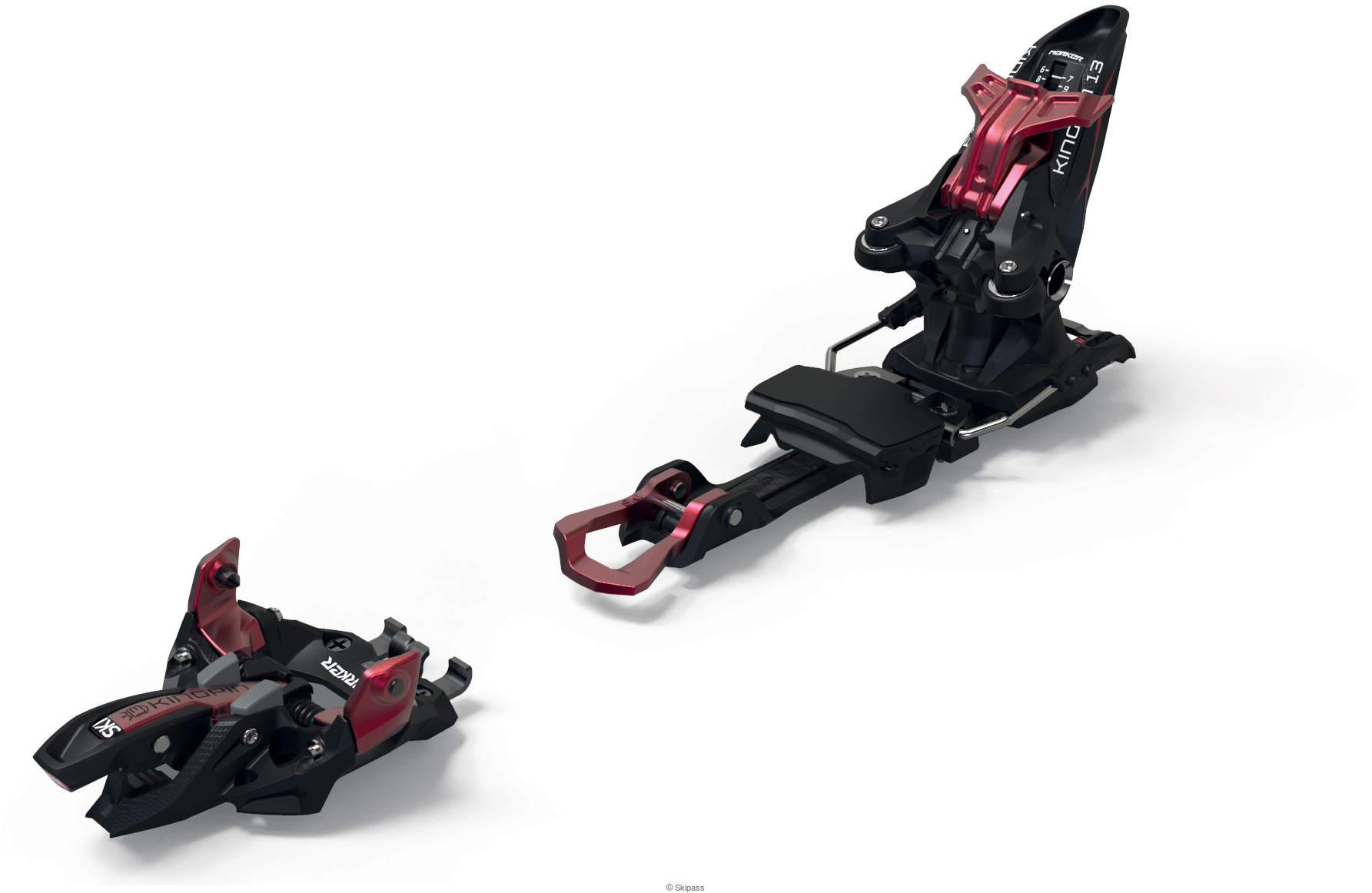
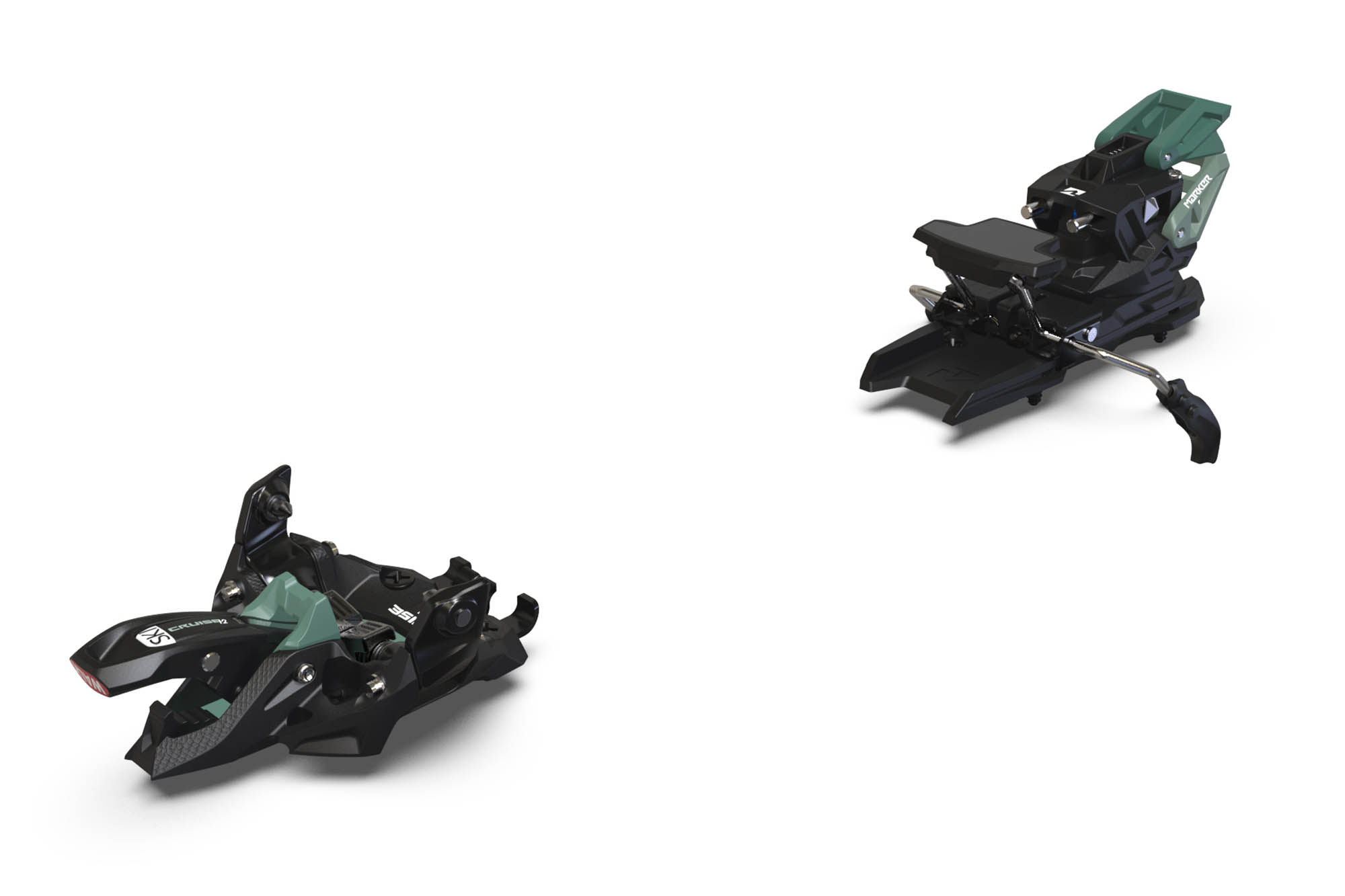
Duke at 2.7kg, F12 at 1.7kg, Kingpin at 1.4kg… With each new binding, Marker takes a step towards lightness and “mountain” use. And this time Marker takes a big step in this direction with the Alpinist! On paper, the new Marker binding has everything to appeal to a large share of skiers, not just hardcore tourers. We had the chance to ski many days with the Marker Alpinist and here we present our impressions.
Test Conditions
We tested the binding during 2 hikes of 800m in powder in the Aosta Valley, notably from the famous Helbronner peak. We also skied with it for half a day at the resort, “pushing it” with: slopes, steep slopes, jumps… Then in the long term on other outings for several seasons now.
What does the Alpinist bring compared to models already on the market?
Marker seems to have managed to bring together all the essential features for versatile use while maintaining great lightness:
– 490 grams per pair / 670 grams with brakes, which is lighter than equivalent models with ski stops on the market (ATK Raider 12, Salomon MTN, Dynafit TLT Speed, Plum Guide…)
– A play compensation that allows for the gap between the binding and the boot to be compensated according to the ski’s flex. An important point for skiing safely. Only the ATK Raider 12 offers it for an equivalent weight (but with an ineffective ski stop).
– A simple and effective ski stop
– The rest of the features are more classic but interesting: DIN up to 12, 15mm adjustment, new generation wedges easy to handle…
– Another point that differentiates it from the competition is the price: €399 without ski stops and €420 with, which is between €100 and €200 less than equivalent models on the market!
Fitting
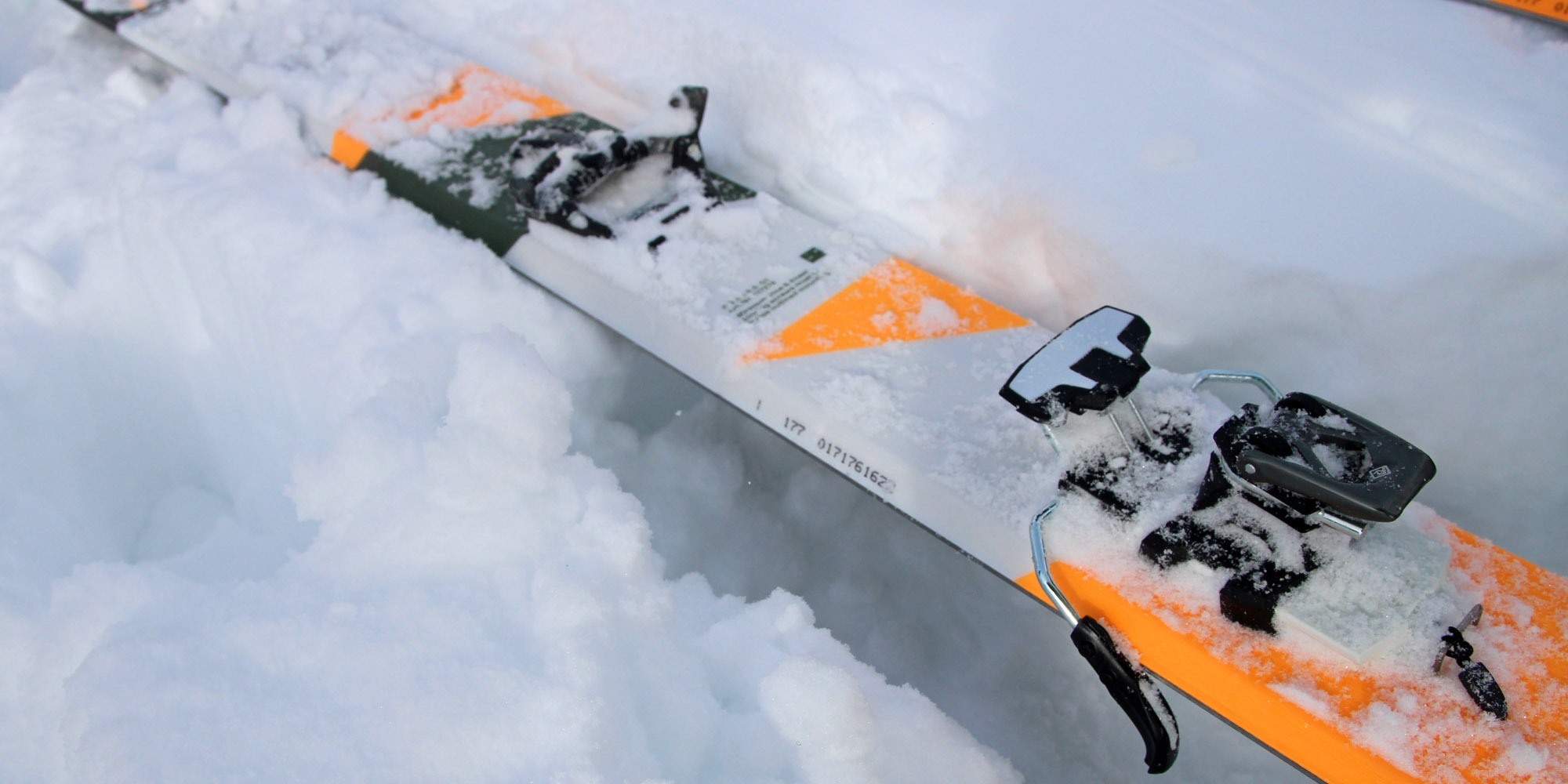
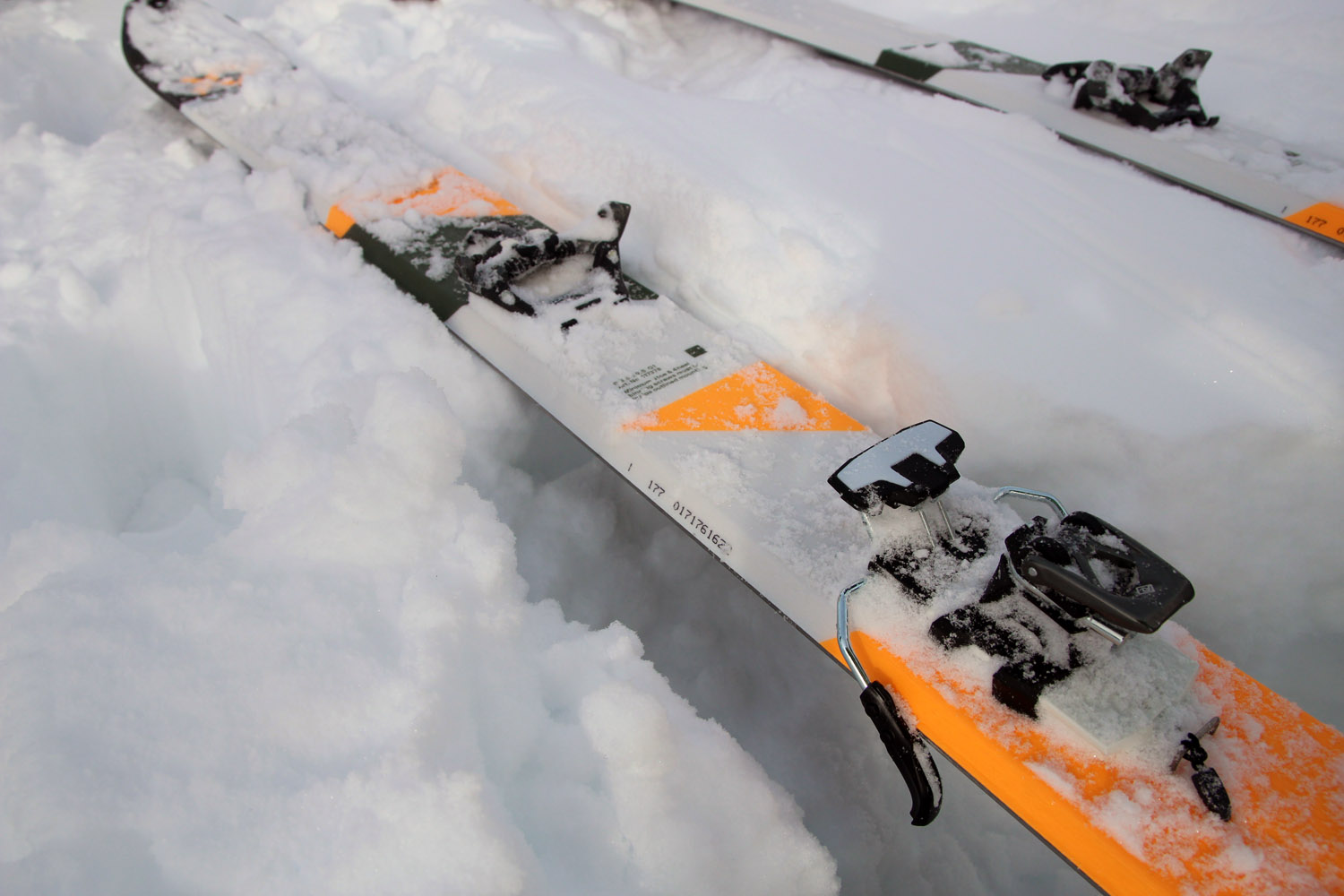
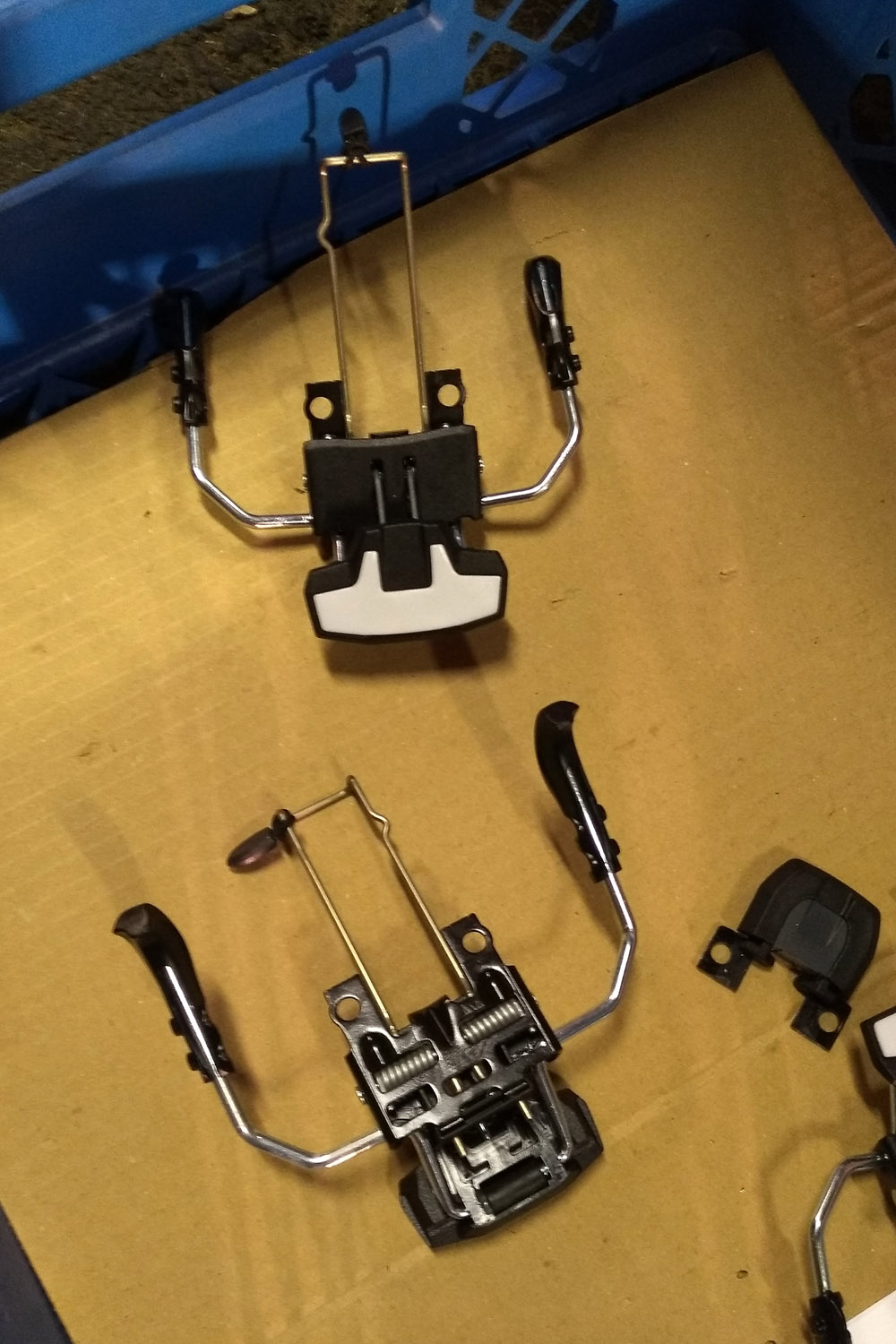
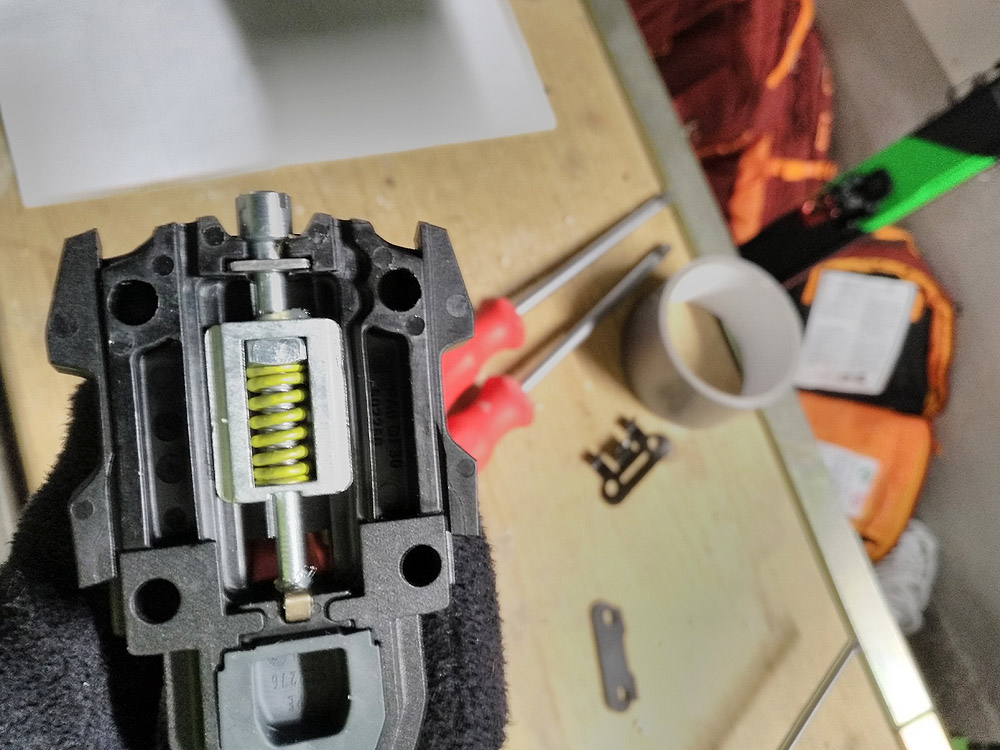
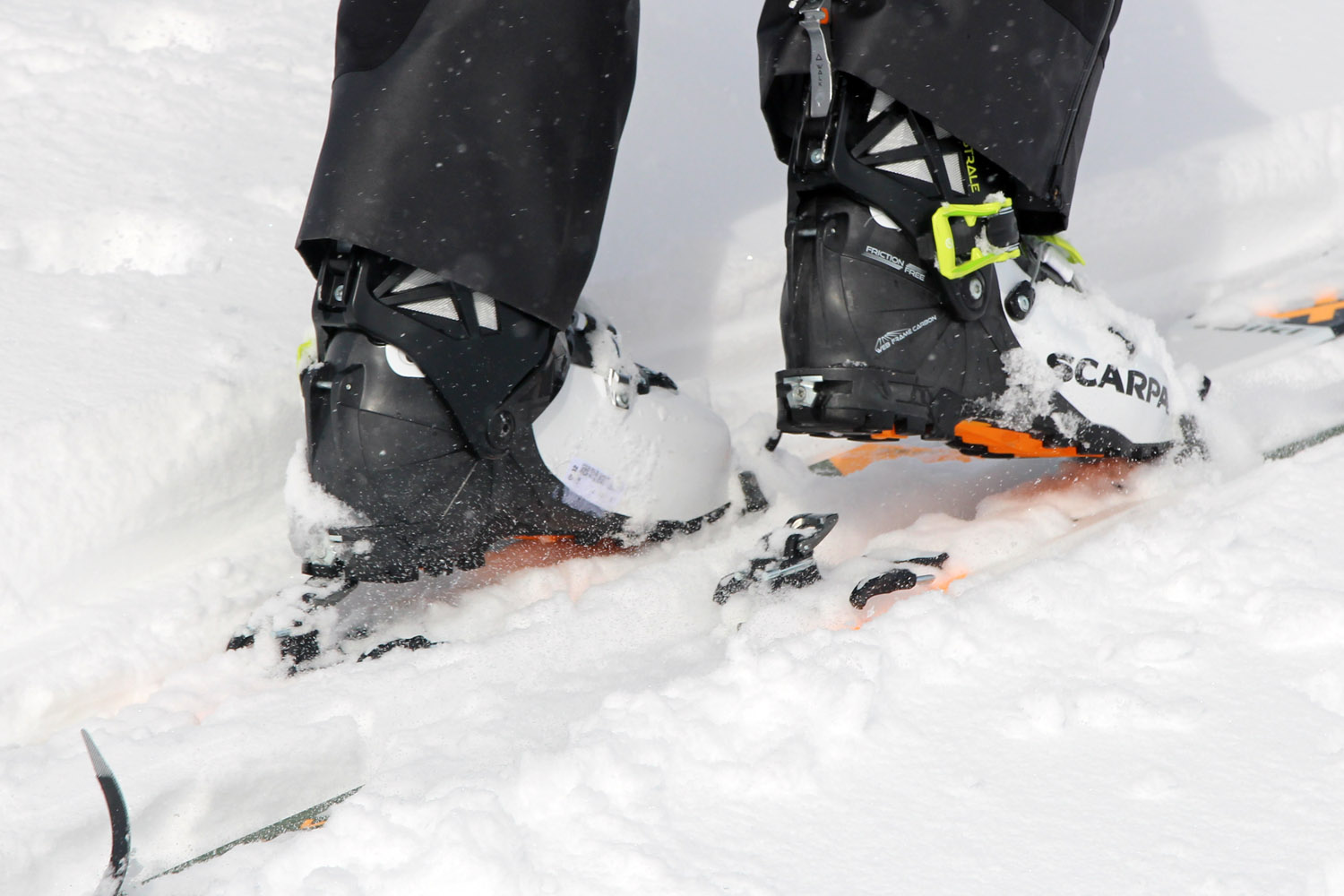
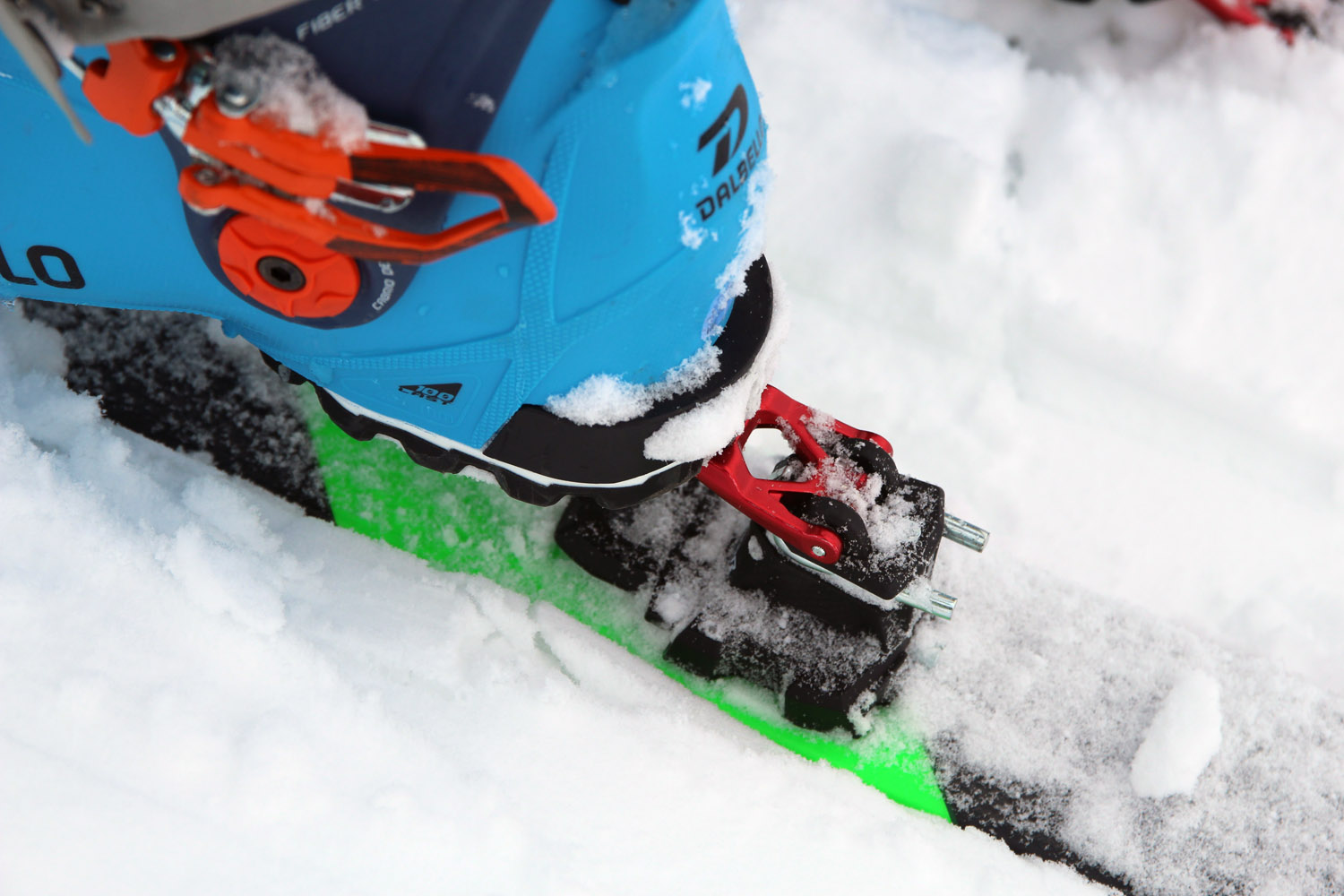
After 3 seasons on the clock, the Alpinist is equipped with a new toe piece since the 2022/2023 season. Fitting has been improved with the addition of a wedge to position the boot and less effort is required to fit the binding. In the field, the ease of fitting is incomparable with the old version: you almost engage with your eyes closed even with worn boots. The Alpinist otherwise still offers good features for the price with a very well-placed weight without compromising on performance and ergonomics: a compression spring, a ski stop, ergonomic wedges… The front toe piece is simple but well designed with a significant height under the springs and an elastomer surface that allows snow or ice to be easily evacuated.
Ascent
The ascent mode is engaged by pushing the “button” at the back of the binding, then the ski stops automatically lock by pressing with the boot.
Then 2 modes are possible for climbing:
– a “race” mode where you don’t turn the rear toe piece but where there is no 0° position, only a 5° position with the wedge covering the inserts. This allows ultra-fast transitions for those who don’t use the 0° position.
– a classic mode where you turn the rear toe piece with a 0° and 9° position
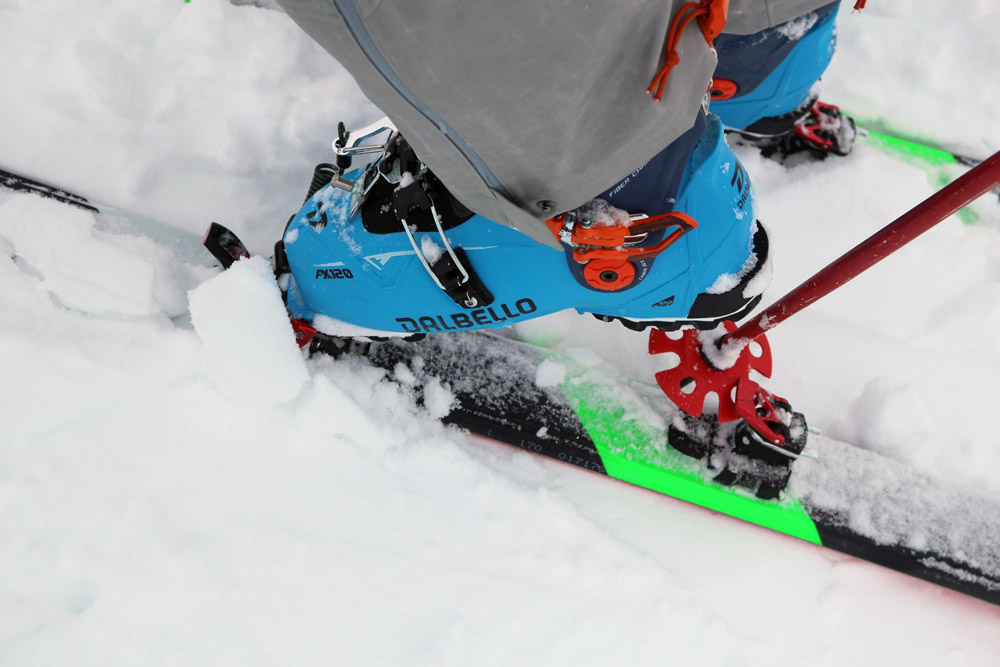
The wedge is ultra-easy to handle with a pole, certainly one of the easiest to handle on the market thanks to a unique wedge. The downside is that there is no very high wedge like on the Kingpin at 13°.
Transition
The transitions seemed effective to us regardless of the conditions. You just have to pull the lever at the back of the binding to switch the ski stops to descent mode. Marker added a leash to pull on the lever, but it seemed of little use to us. With gloves, a pole, or even a boot, the lever is handled without problem!
For the rest, it’s very classic, you just have to lift the ascent wedge if you were in race mode or turn the rear toe piece in classic mode.
Once again, it should be noted that this is only a 2-day test and that this opinion needs to be validated with a longer-term test!
Descent
We skied without holding back: powder, hard slopes, jumps, steep slopes, and the binding showed no weakness. Even pushing it on the slope at mach 12, no problem. Same to see in the long term! This binding does not have a TUV standard, but is it essential for skiing safely? Not according to us. A ski stop and play compensation are, however, essential, which this binding has.
Finally, note a somewhat special DIN adjustment but which should ultimately not pose a problem: the vertical release is fixed but can be modified by changing the U (7 or 10 as on the Salomon MTN). The lateral release can be adjusted directly on the binding (4-9 or 6-12 depending on the model).
So for which skiers?
With its variants (with / without ski stops and DIN 2-6, 3-8, 4-9 or 6-12), the Marker Alpinist can be used in many conditions. Its features and ergonomics seem to suit both mountain use and freeride / touring use. The DIN 12 and effective ski stop seem to suit this latter use…
FEATURES
- DIN: 2-6 (Alpinist JR) / 3-8 (Alpinist 8) /4-10 (Alpinist 10) /6-12 (Alpinist 12) – FIXED IN FRONT (5,5, 8 or 12)
- Play compensation: yes
- Weight: 690g per pair with ski stops / 540g without ski stops
- Length adjustment: 20mm / 30mm (LONG or JR version)
- Wedges: 2
- Price: €420
WHERE TO BUY THIS BINDING?
MARKER ALPINIST PHOTOS




OTHER MARKER TESTS