


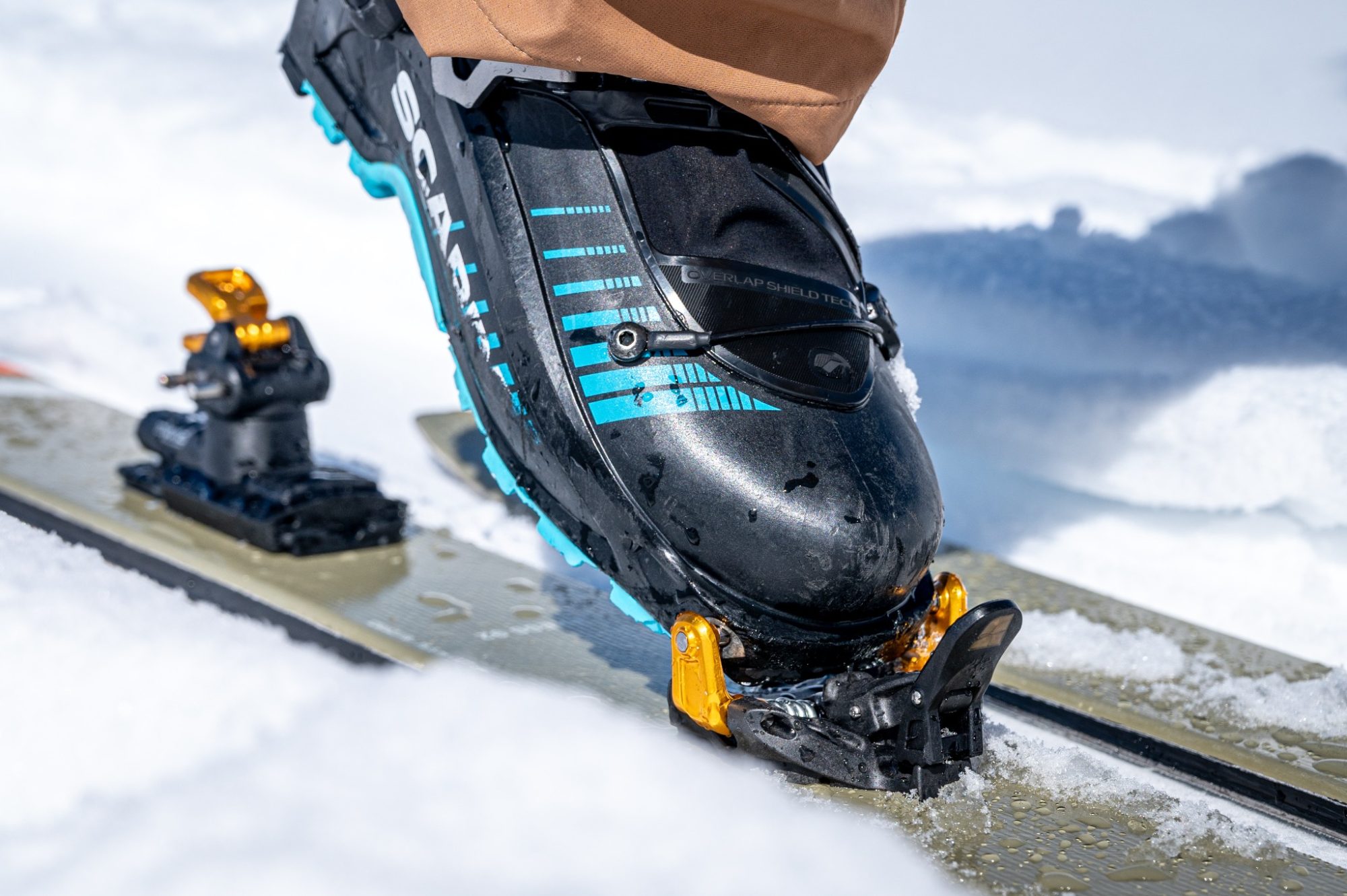
From the Meidjo to the Linea, INWILD embarked on the development of a 100% ski touring binding with a clear guiding principle: simplicity, performance, local manufacturing, and eco-design. Five years passed between the initial work and commercialization. Design, prototyping, field tests, manufacturing in the Alpine arc, repairability: the INWILD team gives us a behind-the-scenes look at the development of the Linea.
Also read: our field test of the INWILD Linea binding.
From the Meidjo to the Linea: the birth of a ski touring binding
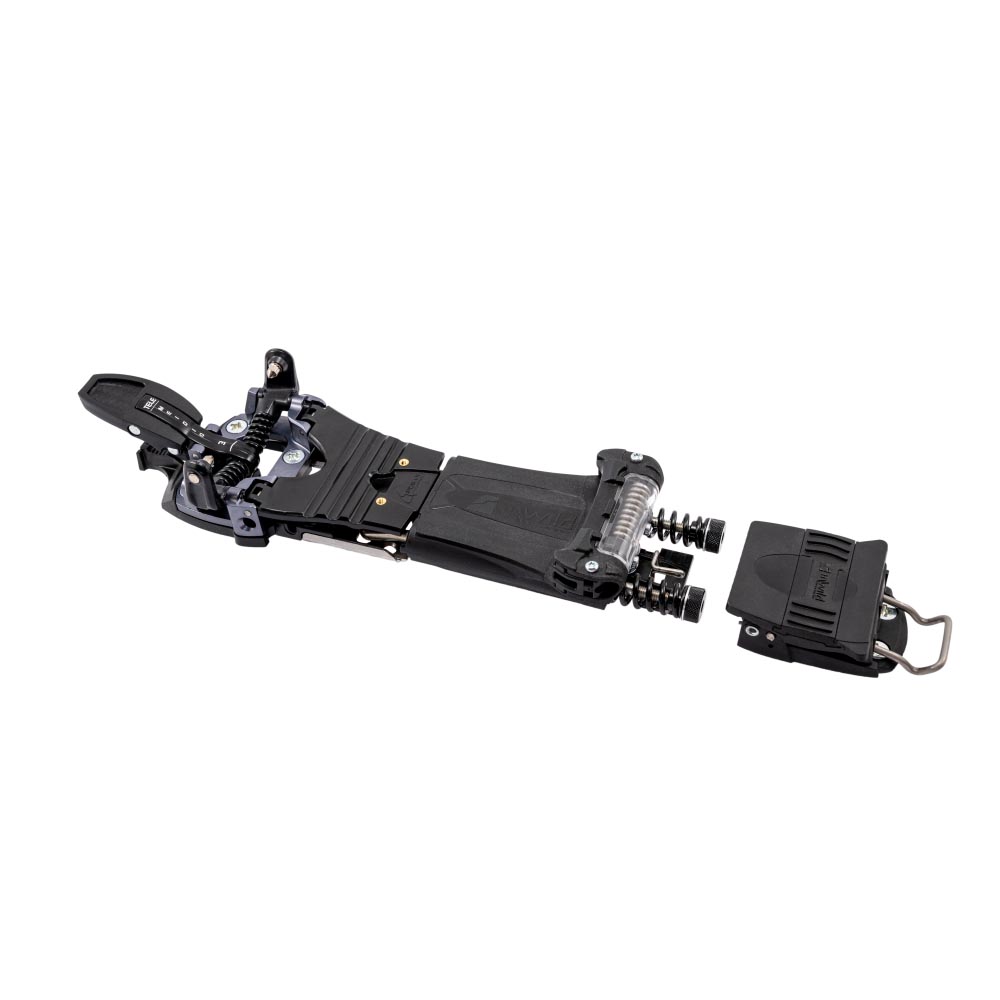
INWILD is historically known for the Meidjo and telemark. Why did you decide to venture into a 100% ski touring binding with the Linea?
The Meidjo was the first telemark binding with inserts. We introduced modernity into the practice of telemark. We halved the weight, offered a true touring mode, and provided adjustable release safety that didn’t exist with other manufacturers. Our second patent was on the alpine heel piece that allows switching from telemark mode to alpine mode using a pole. We already had a hybrid system close to ski touring as early as 2016, but focused on the telemark niche.
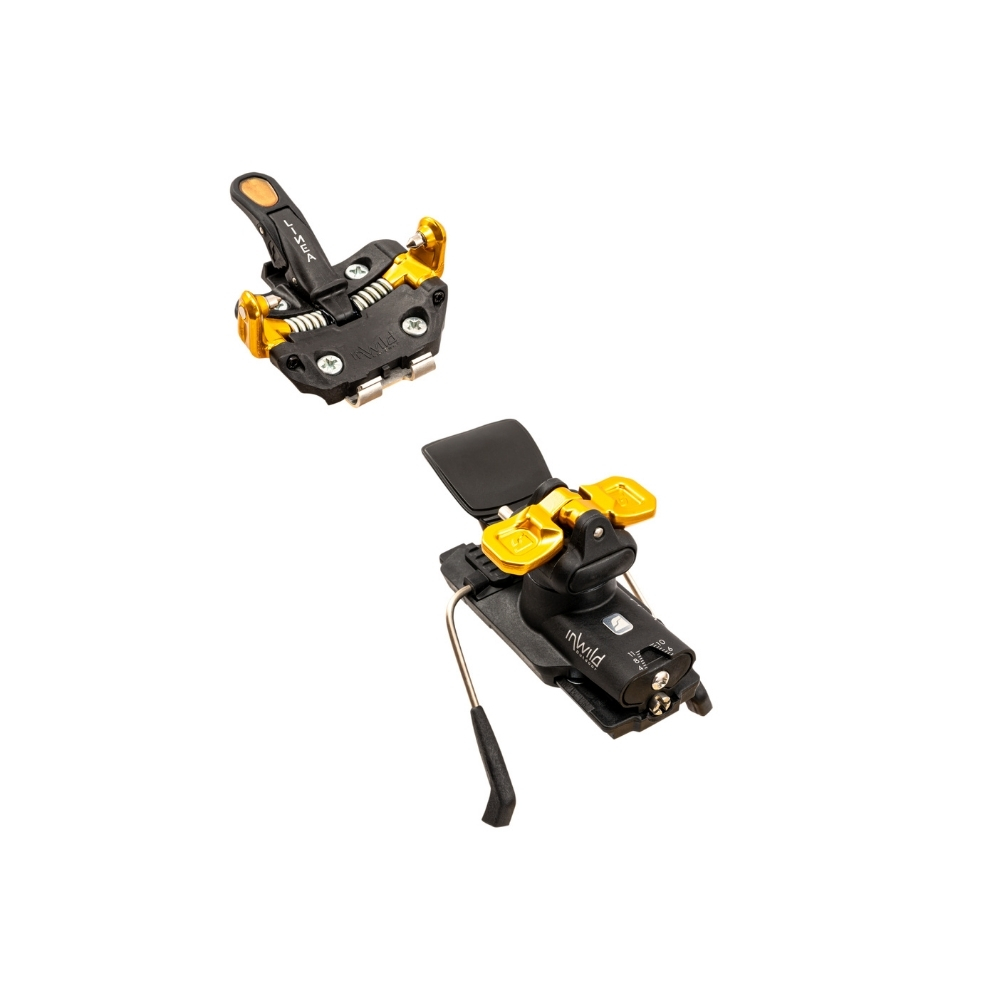
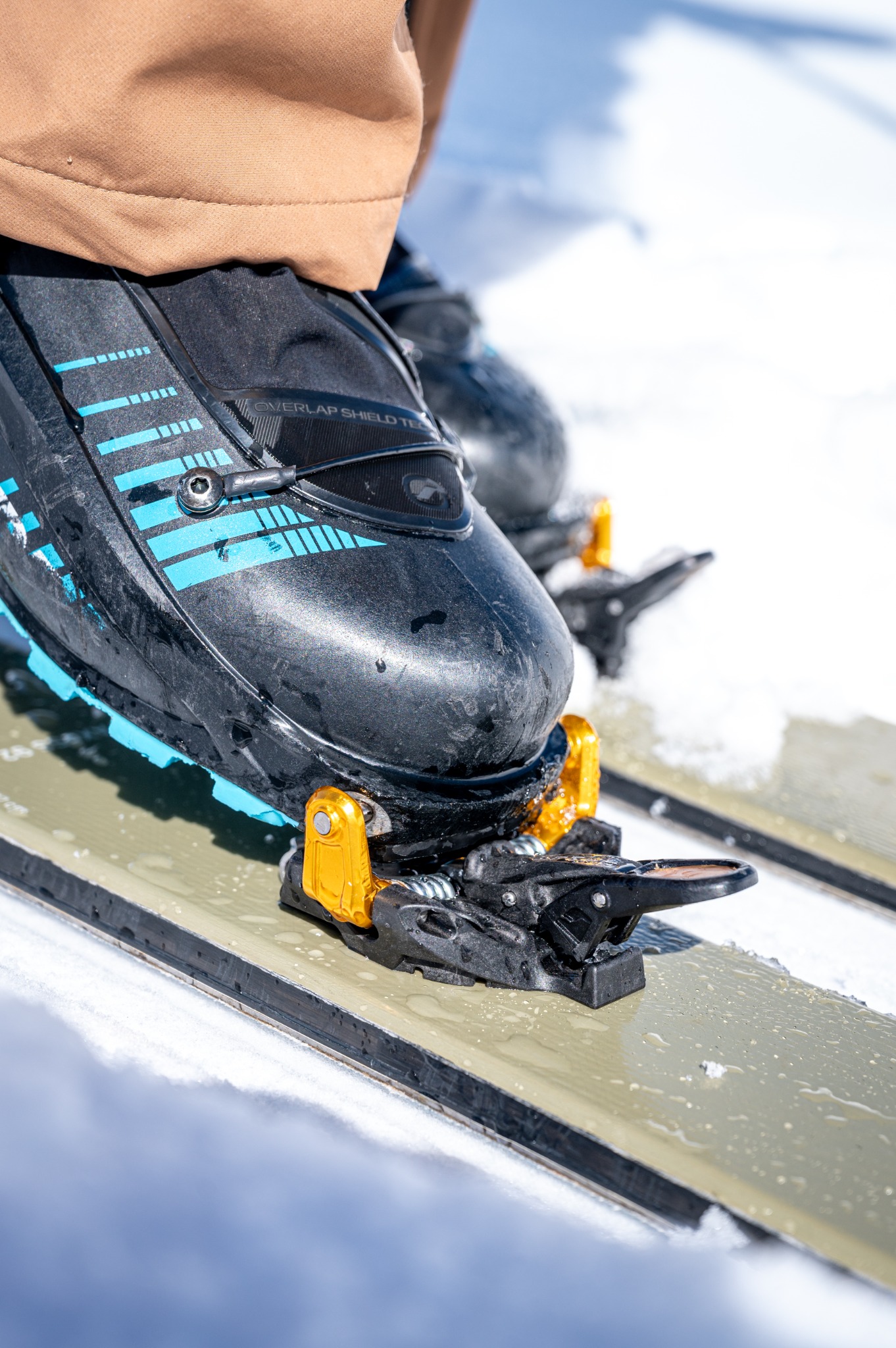
We had the low-tech of the Meidjo — the front binding piece, with two metal pins that fit into the boot inserts — and we had the alpine heel piece. We could take the leap, but we needed to add something extra while respecting our mantras: simplicity, performance, local and responsible production, while remaining competitive. And that’s no small feat.
In 2019, we redefined the low-tech concept, which led to our fourth patent. This concept was introduced with the Meidjo 3 in 2020 and was acclaimed by users.
Following this work, we logically thought: we have a super-performing low-tech; if we develop a heel piece, we have a ski touring binding! The Linea was born from this realization.
When did the Linea project really start? What did you want to bring differently to a market where the offer of insert bindings is already very significant?
The desire to create Linea was born in 2019, and the first work began in 2020. We had this very easy-to-use and powerful low-tech, which doesn’t need to be locked in aggressive skiing. We needed to develop an effective and easy-to-use heel piece, especially for locking the ski brakes in touring mode. We also needed to offer controlled safety management, adjustment ranges, and high-performance skiability. Finally, we wanted to develop a responsible binding with the lowest possible impact.
On the design side too, we wanted to bring a different product: modern and softer lines than what existed at the time, capable of appealing to the widest audience.
How much time passed between the first sketches and the binding now on the market?
Five years passed between the first work in 2020 and commercialization in 2025. It took longer than expected. There was Covid, the company’s move to Grenoble, and priorities related to the ski market, which has been a bit disrupted in recent years.
The technical foundations were addressed in less than two years. In 2022, we worked on the design with the IDEACT firm, with whom Pierre, the founder of INWILD, has long collaborated. Upon our installation in Grenoble in 2023, based on the design, the new team of engineers took over the project. We had to finalize all the technical details and organize industrialization. Manufacturing in the Alpine arc, mainly in Auvergne-Rhône-Alpes, allowed us to optimize timelines. The 2024-2025 season was dedicated to endurance field tests by our ambassadors. All this work allowed us to launch commercialization in September 2025.
Design, prototyping, and field tests
What does the development of a ski touring binding concretely look like?
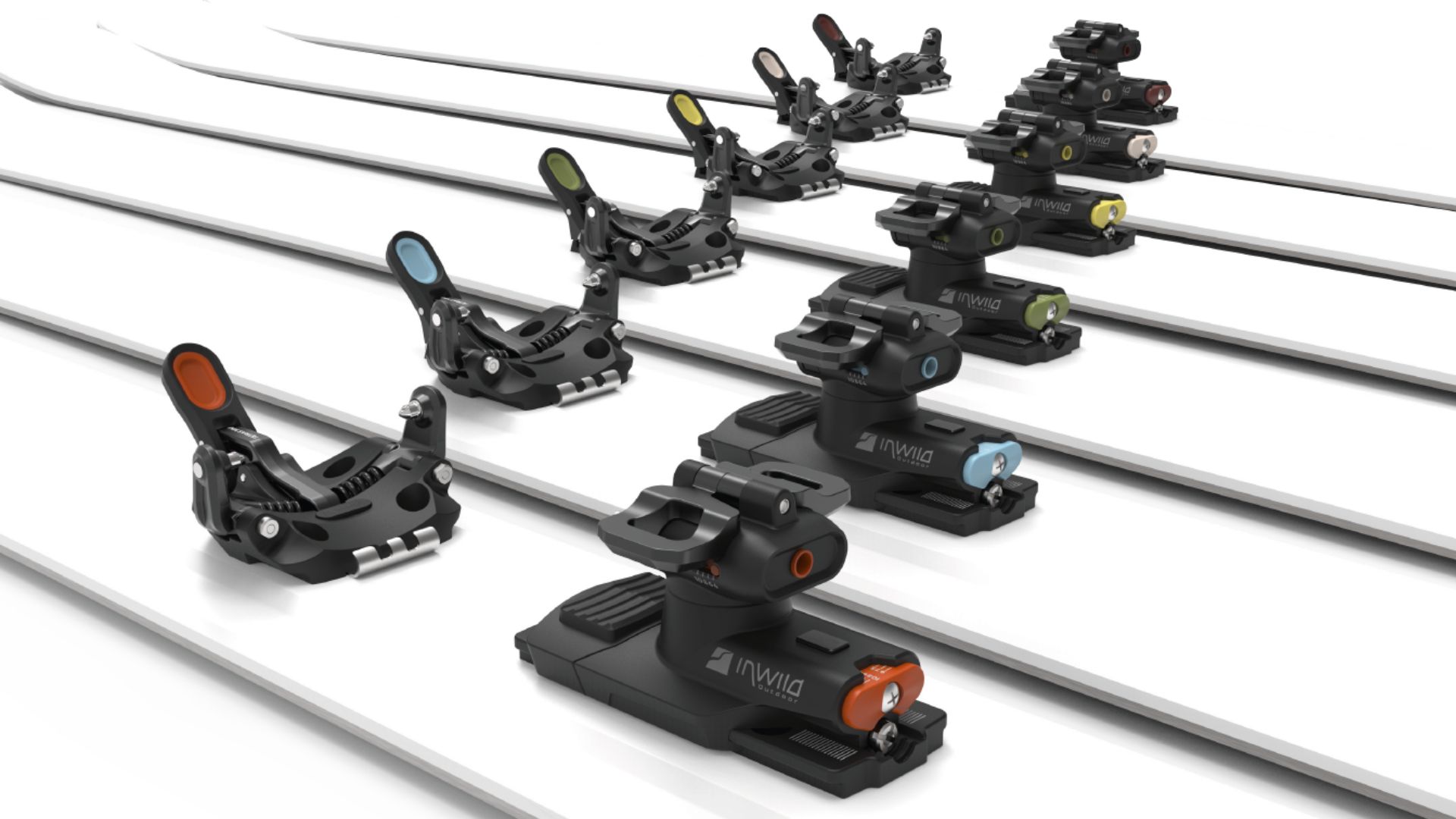
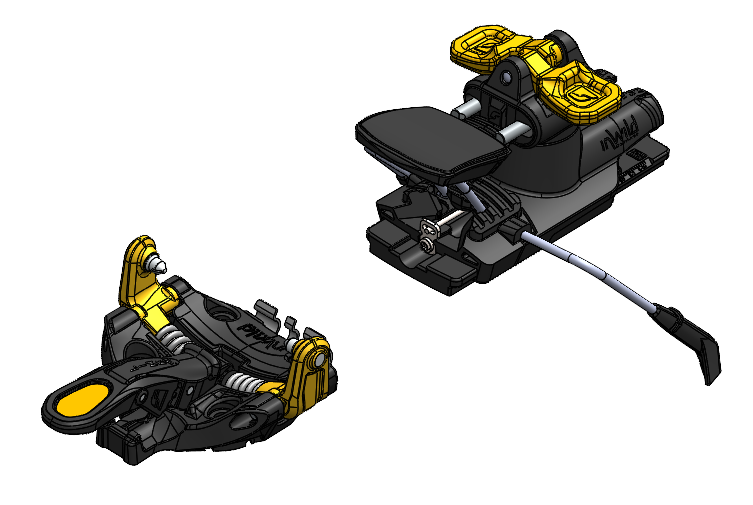
Before diving into pure development, the essential step is to precisely identify the target: who is the product for? From there, the needs arise, which we then address with technical solutions. For Linea, we wanted an easy-to-use binding, without compromising on downhill performance: easy to put on, with an “automatic” ski brake, three easy-to-manipulate climbing heights; a powerful low-tech that doesn’t need to be locked for downhill skiing, a heel piece with some give to compensate for ski deformation, and an extended DIN adjustment range. We also integrate the weight objective, and all this is guided by eco-design requirements, not forgetting the economic objective.
Once these needs are established, we compare the different ways to meet them, and we choose the one that seems best in terms of solution complexity, cost, weight, robustness, repairability, industrialization… Sometimes, a solution clearly stands out, it’s easy. Other times, you have to rack your brains to find one that works, without any being really obvious — that’s harder and can take quite a bit of time.
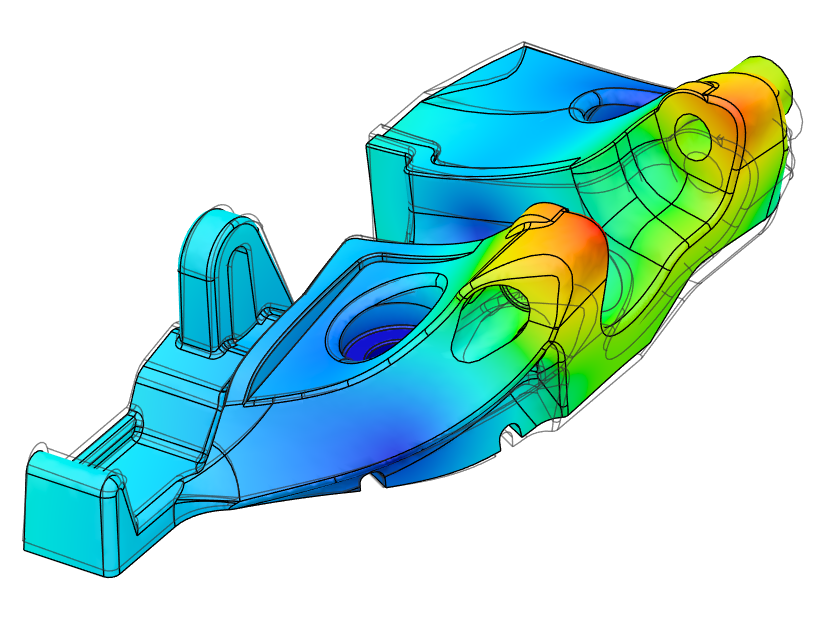
When all the theory is tied up and we know how to address each issue, we move on to sizing: the goal is to optimize the design of the parts, first so they withstand mechanically, then so they can be made with the identified process. Then comes the proto phase, where the idea is simply to have parts in hand to check that the computer isn’t telling too many lies: we make very small series to test and validate that everything works as planned — or not, in which case we go back to previous steps.
Once everything works perfectly, we launch the first pre-series on the final production tools, and it’s off to field trials. The goal this time is to test the bindings in their environment: see how they age, if problems appear over time. After a winter of testing, we make the final adjustments to optimize the product’s operation — pure finishing, between play of parts and friction areas to be reworked to limit wear. After all that, we have confidence in the product, and we can launch commercialization serenely.
We were able to test a Linea before its commercialization and give you some feedback, before receiving an even modified version. How important are field tests and feedback from early users in development? Are there any modifications to the current Linea that come directly from this feedback?
This feedback is valuable, yes — even essential. When developing a product, we are also the first to use it, on our own terrains, with our own skier habits. This inevitably creates biases: we validate what suits us, without always realizing it. By opening tests to a wider audience, with practices and expectations different from ours, we get feedback truly representative of future users — not just our own use.
A concrete example: the 90° heel piece lock. Internally, we handled it without much thought, we had the knack. Field feedback showed us it wasn’t so obvious. So we reworked it to make the binding easier to handle, regardless of the DIN setting of the binding and the thickness of the gloves used!

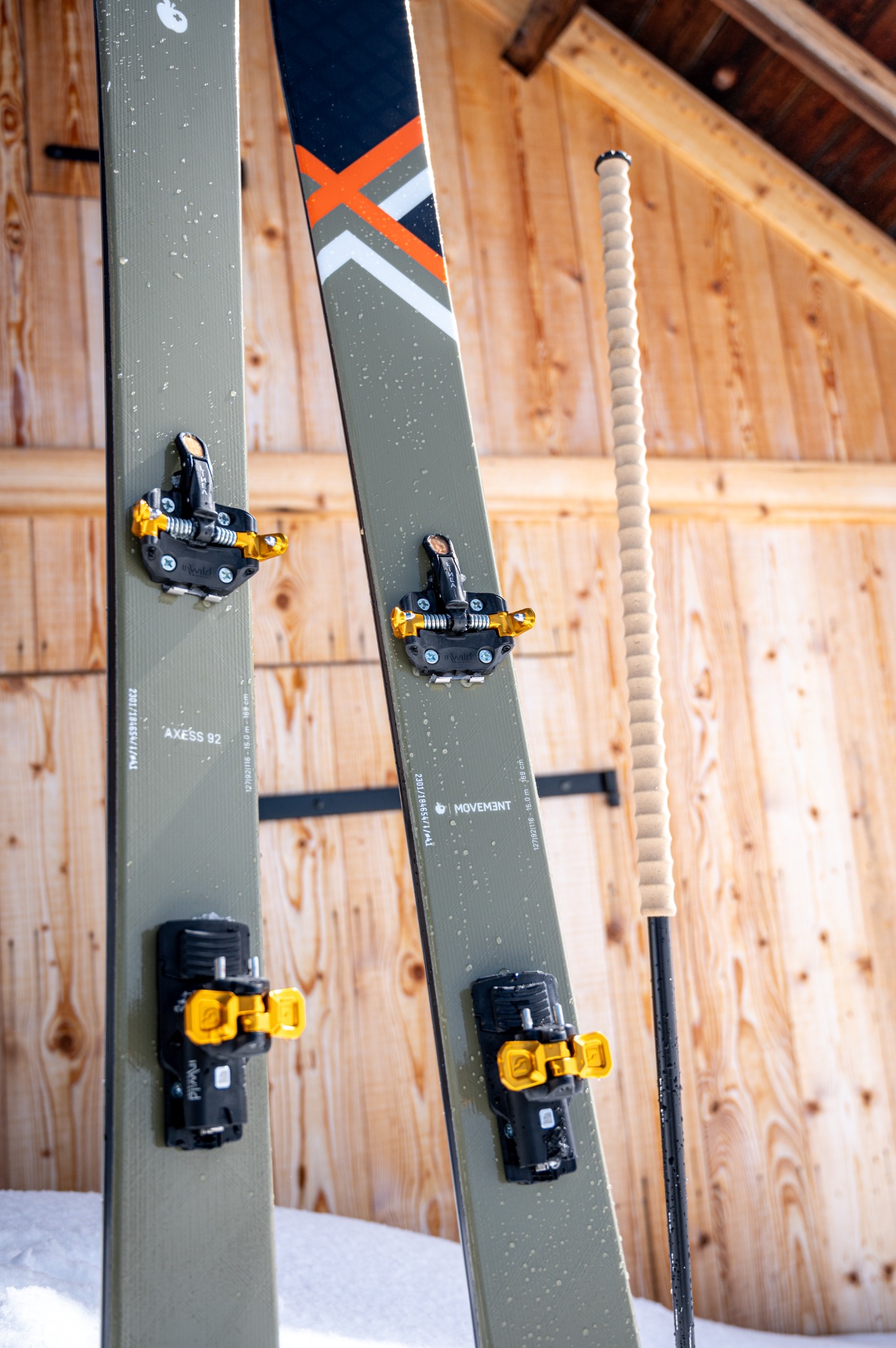

The Linea shows 260 g per binding without ski brake and 320 g with. How do you balance weight, simplicity, rigidity, safety, and durability?
At the start of the project, we identified a target weight range, which we managed to respect. But I would say that weight is mainly a consequence of the levers we set on the other criteria. For Linea, simplicity was the tool that allowed us to achieve this level of performance within a contained weight.
We always sought to make it as simple as possible. And when a solution is simple and well-executed, it often meets all the other criteria at the same time.
When should you accept a few extra grams rather than absolutely seeking lightness?
The binding, like each piece that composes it, can be seen as material that transmits a force. For the whole to be functional, each piece must fulfill its role, with a certain margin — what we call the safety factor.
For each piece, we define a loading case: the forces it must withstand. The higher its criticality, the greater the safety factor.
Ultimately, there is no real trade-off between weight and resistance: the initial design choices determine the weight of a piece — what material we use, where its supports are, how forces are transmitted. Optimizing the weight of a binding doesn’t mean reducing the safety factor to scrape off some material. It’s more about thinking of a design that optimizes force transmission between parts, and that allows putting the right material in the right place.
French manufacturing, Alpine arc, and eco-design
You chose French manufacturing, mainly in the Alpine arc. Where are the different parts made and how many companies are involved before a pair of Linea is ready to ski?
At INWILD, we rely on a network of subcontractors who manufacture the parts for our bindings. They are then delivered to Sassenage, where assembly is carried out in our premises. The Linea is composed of three families of parts, distinguished by their manufacturing process: forged and/or machined parts (aluminum or steel), “formed” parts via specific machines (steel), and injected parts (filled polymer).
The jaws and climbing wedges are forged in Switzerland, then machined in France. The plastic parts are injected north of Lyon, and our formed parts are made in the Saint-Étienne region.
This geographical proximity with our suppliers has a cost: producing in the Alpine arc rather than at the other end of the world is more expensive. But in return, we gain enormously in reactivity — if an adjustment is necessary, we can be at the subcontractor’s the next day, discussing directly with the people who actually machine the part. And this contact with professionals, with humans, is valuable: we learn from their know-how, they better understand our constraints. It’s a real partnership, not just a supplier-client relationship.
Eco-design seems to have been integrated from the development stage rather than added as a marketing argument once the product was finished. Concretely, what technical choices did this impose on you?
At the end of 2019, we wanted to do better, but we didn’t really know where to start. We then approached the Eco-design Center of Saint-Étienne, and in the summer of 2020, we were selected for the ADEME’s PERFECTO program — an aid program that allowed us to gain skills in eco-design, with the aim of reducing the environmental impact of our activity.
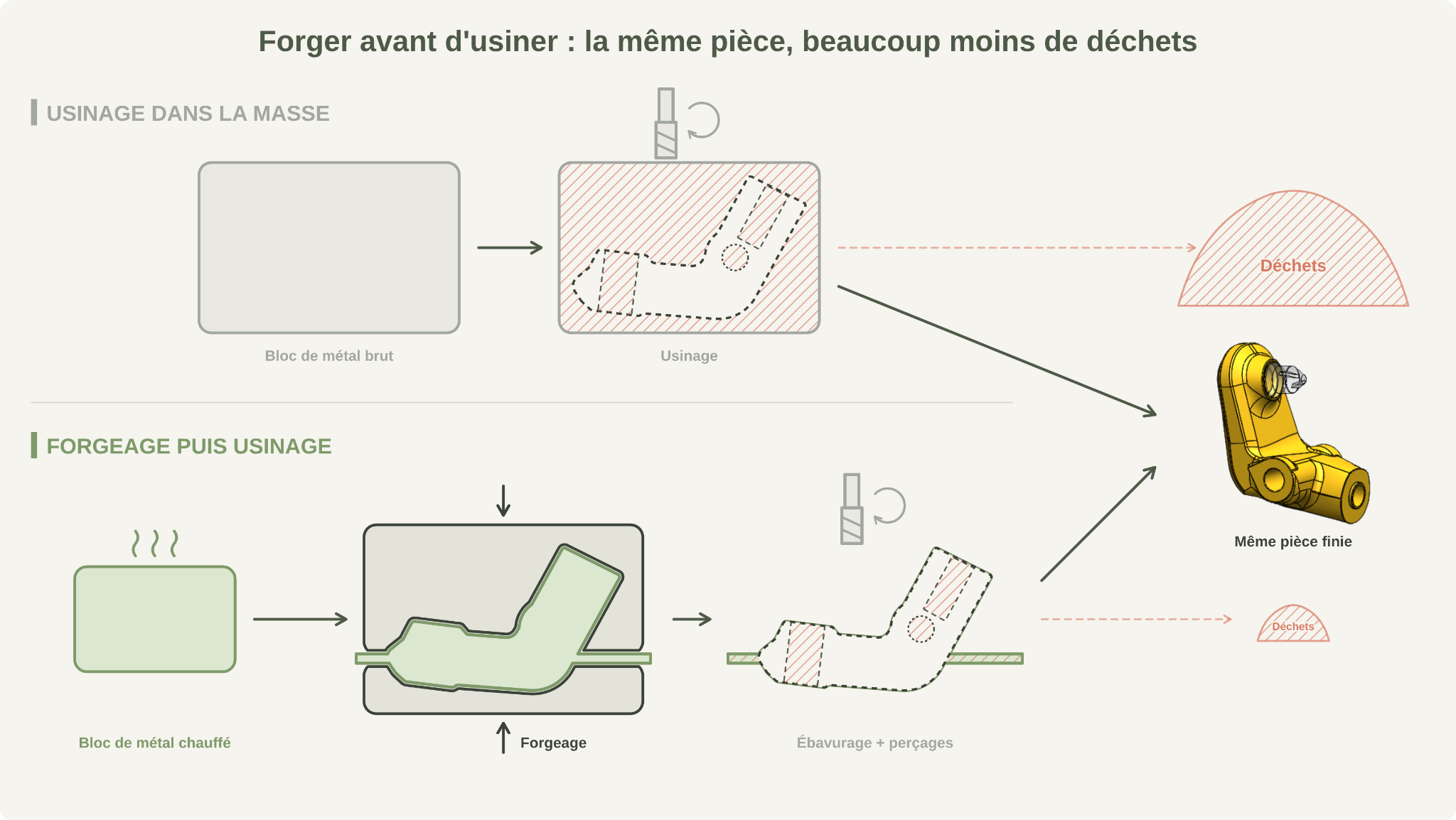
We had to learn the method and understand the eco-design tools. We conducted a life cycle analysis (LCA) on a product representative of our production, mixing the low-tech and the alpine heel piece of the Meidjo, which highlighted the parts with the greatest environmental impact. At the time, we were surprised by the result: it was the aluminum parts that weighed down the balance. By digging deeper, we understood why: the aluminum used in ski bindings is a very high-quality virgin aluminum, whose production consumes a lot of energy. And during machining, 90% of this material ends up as chips, heading to the standard aluminum recycling stream. The LCA highlights the impact of this “waste” that we don’t see when we have the finished product in hand.
We therefore sought solutions to reduce this impact. We implemented a process of forging aluminum parts before machining, which allows us to reduce by three the amount of material needed to make the same part. And when possible, we replaced aluminum with filled polymer, which turns out to be much better in the LCA: with injection, almost all the material is transformed into a functional part, there is very little waste.
We kept aluminum only for parts that required such a high-performance material.
Another lever, less visible in an LCA, is the function fulfilled by the product — what we call the functional unit. By extending the product’s lifespan, we reduce the impact on a larger scale. It’s in this philosophy that we chose a fully dismountable and repairable binding.
Finally, the choice of bio-based materials with recycled bases and local production significantly contributes to the overall balance.
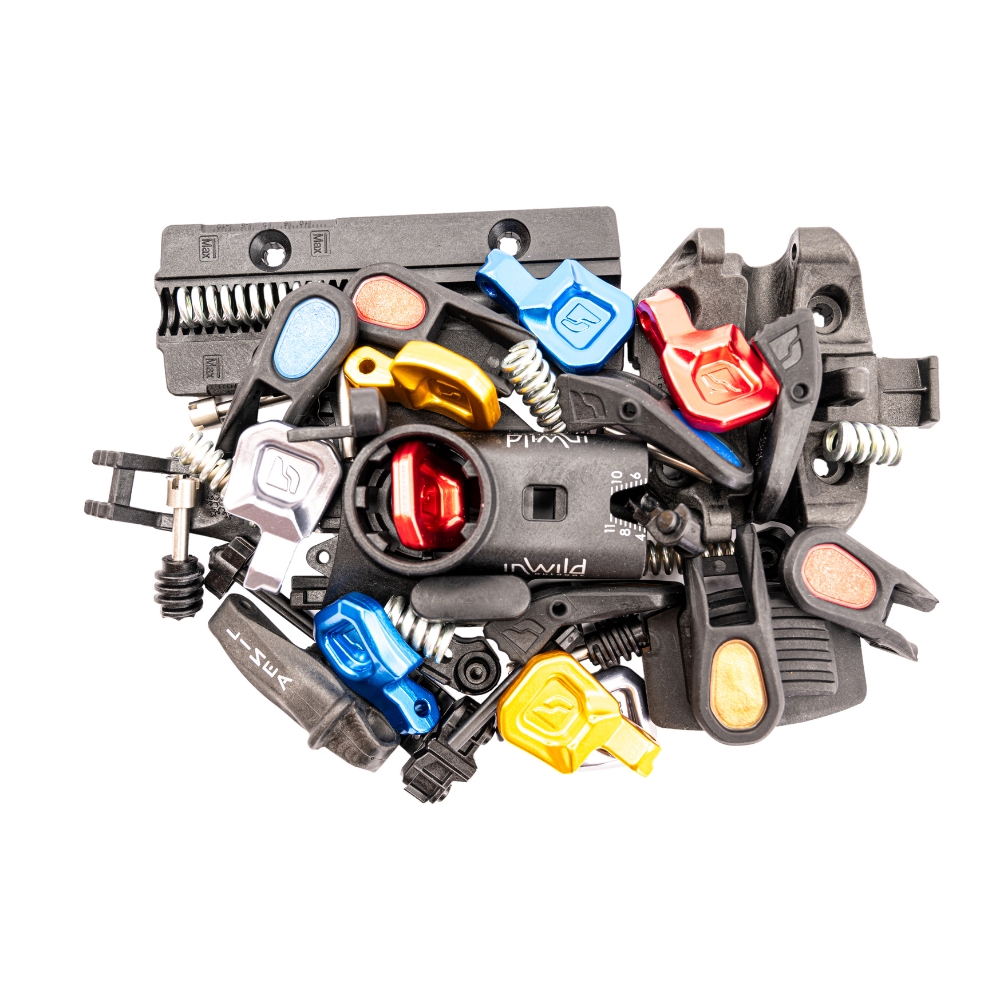
The Linea is fully dismountable, repairable, and upgradeable, with spare parts available separately. Is it more complicated to design this way than a product primarily designed to be simple to produce?
Yes, it’s an additional constraint: we forbid ourselves certain very practical solutions because we want the binding to be fully dismountable at home, with a few tools. In practice, during assembly, there isn’t necessarily a big difference — we have to create specific assembly tools anyway, it’s not necessarily more complicated because it’s dismountable.
However, during design, repairability raises other questions: we don’t want the binding to be reassembled incorrectly, nor for parts to be lost in use. So we have to design by integrating foolproofing and ensuring the integrity of each connection.
Industrialization and fine-tuning of the Linea
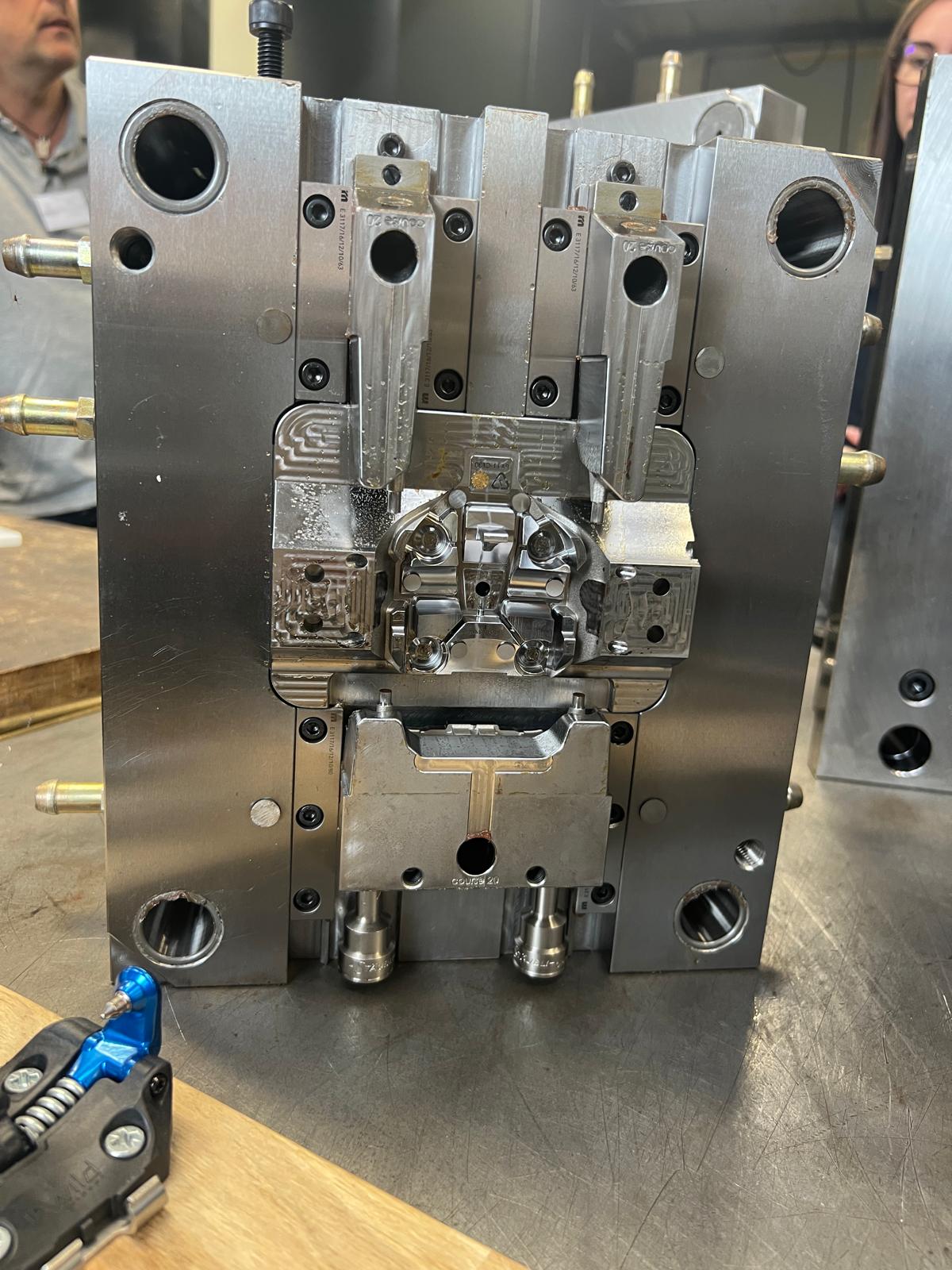
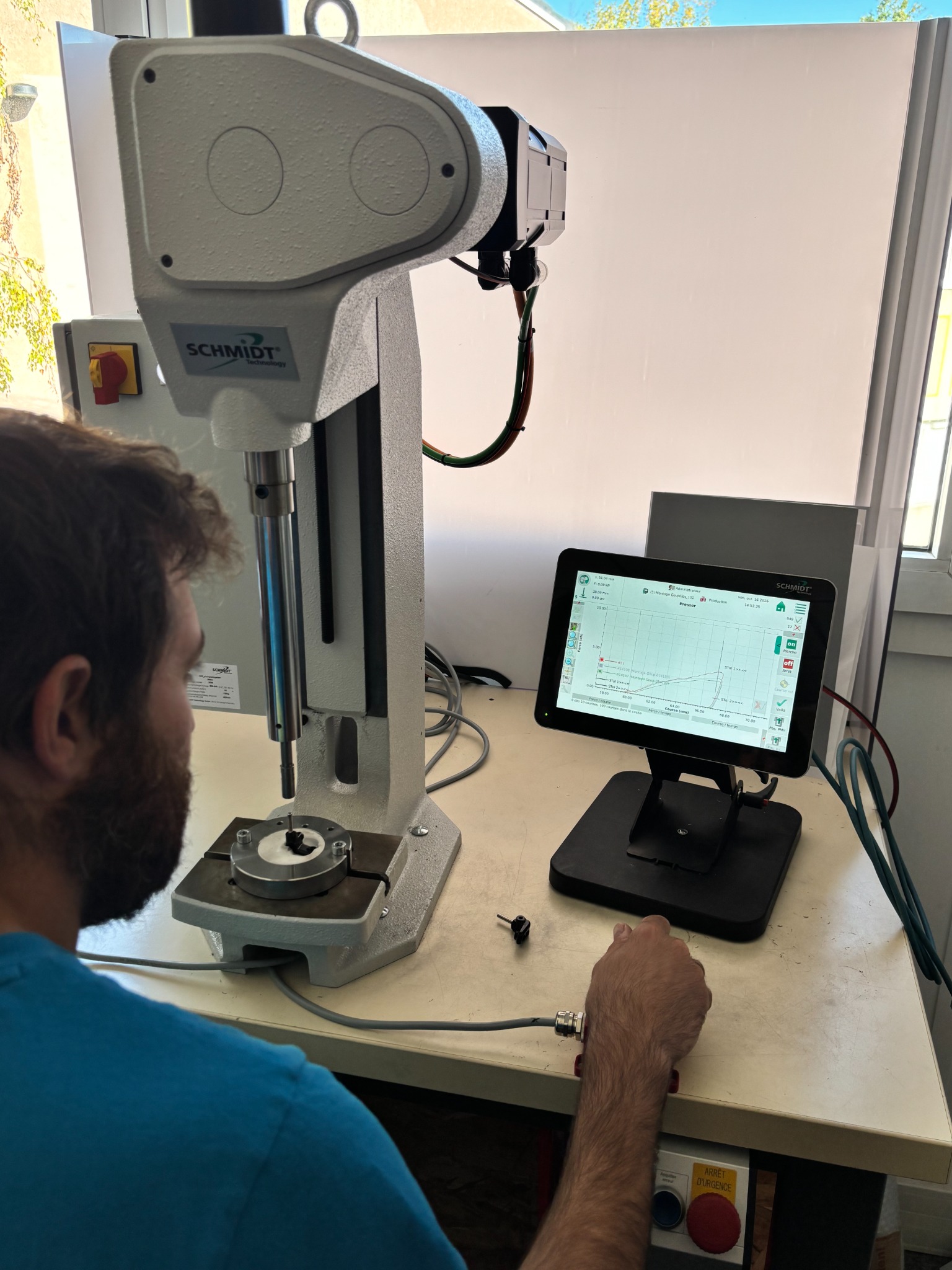
Once the product is technically validated, there’s still the whole industrialization stage. What was the most difficult for a structure like INWILD: designing the binding or managing to produce it in series with the desired quality level?
Thanks to the Meidjo, we already had a network of subcontractors to rely on, especially for all the metal parts. For the injected parts, however, we had to search for a new partner, whose expertise matched the Linea project.
After a thorough search, we were lucky to find, locally, a company that perfectly matched what we were looking for, both in terms of technical skills and the size of the structure: a human-sized company, with whom we can really communicate. We are delighted with the technical expertise, the quality of exchanges, and the work done with this new partner.
On the assembly side, we also invested in an electric press, which allows us to perform an additional control during assembly and further increase the quality level of our products.
We can also proudly say that the tools and molds were made in France, in the Auvergne-Rhône-Alpes region. It’s a French production, supported by investments made in France.
Was there a moment during the project when you had to almost start over on a technical solution that seemed promising? And conversely, an idea you’re particularly proud of because it worked almost from the start?
Fortunately, no. But not everything worked on the first try! I remember the first 3D printed prototype, which lasted one and a half descents before splitting in two — partly due to the plastic used, very brittle in the cold, but also due to a slightly too tight force recovery design.
On Linea, we are particularly proud of the release mechanism. We had a precise behavior in mind: that the heel piece has an elasticity range like on an alpine binding, meaning it retains some flexibility just before releasing, to absorb shocks without releasing too early. We managed to optimize the system to achieve the ideal compromise between support precision and skier safety management. And this, regardless of the DIN setting. It’s not visible to the naked eye, but it makes all the difference on the skis: precise support when skiing, and real safety when it needs to release.
First season and continuation of the INWILD project
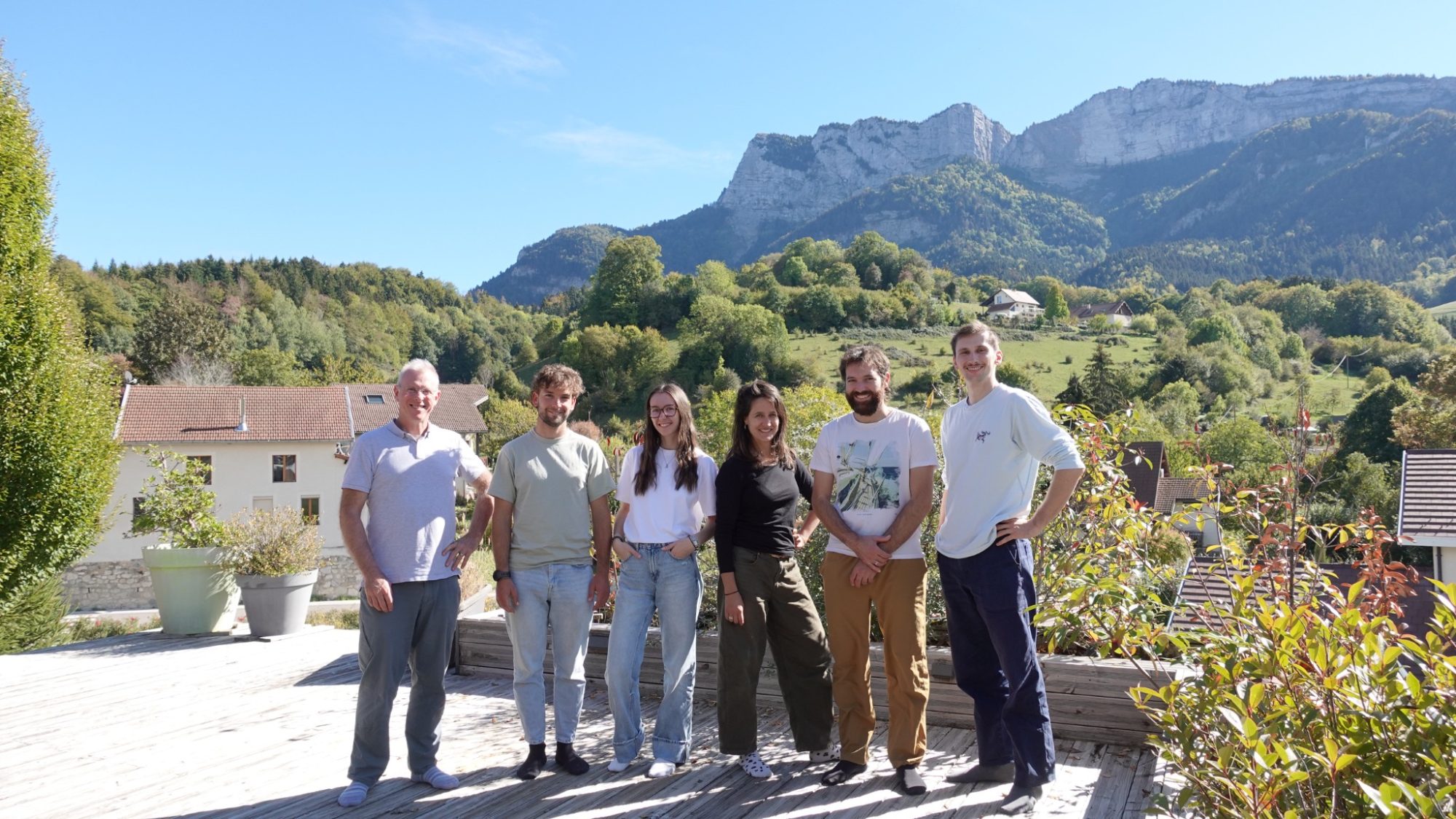
After this first season of commercialization, what feedback have you received from skiers and stores? Are there things that surprised you, both positively and negatively?
User feedback is really good, especially on ease of use: everything is easy and intuitive. What stands out first is the effectiveness of the low-tech when putting on. We were a bit surprised, however, to see that eco-design is not a determining factor in choosing equipment, even though we all know we need to act to reduce our impact on climate change. More broadly, carbon impact and eco-design are not always the first arguments that resonate with customers; conversely, made in France and manufacturing in the heart of the Alps touch them more.
Is the Linea you buy today a product now fixed or should it be seen as a platform that will continue to evolve?
We always have ideas in mind for a future evolution of the binding — we are a team of passionate engineers — but, to be honest, we are very proud of the result. For now, the priority is to sell Linea as it is, let it live on the market, and see how it is received. If it pleases, if it finds its audience, then we will seriously consider developing evolutions. We prefer to move forward like this: consolidate first, then innovate.
More broadly, what’s next for INWILD?
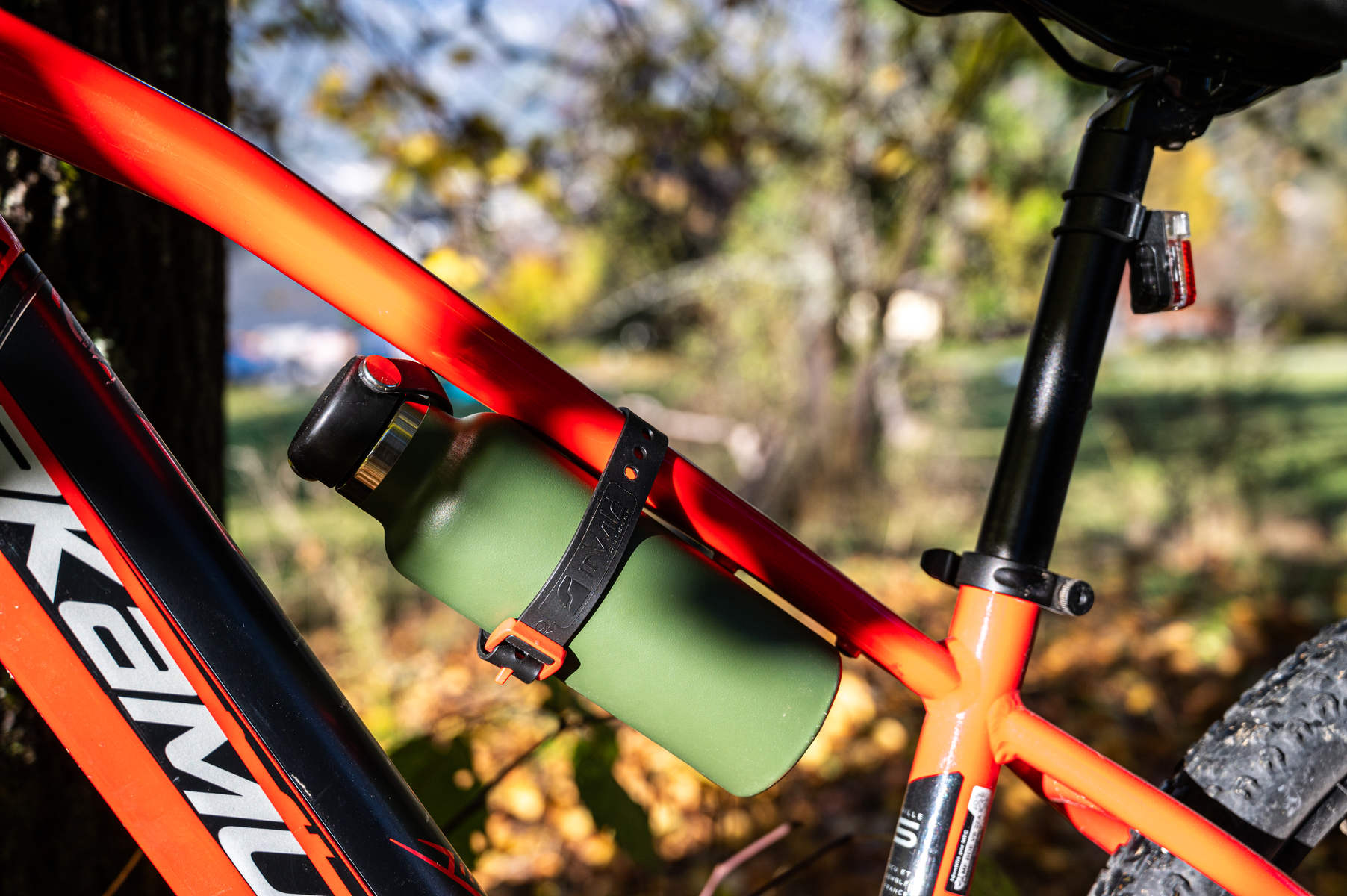
This winter, we will focus on Linea. We are also launching our second telemark binding, called SIMPLL, with a Combo version: a single binding, compatible with both telemark and touring boots, to switch from one practice to another. Alongside our range of bindings, we are working on a range of bikepacking products, with the launch of INWILD Cycling.
Also read: our comparison of ski touring bindings.